In-Home ABA Therapy for Autism: Leading Providers and What to Expect
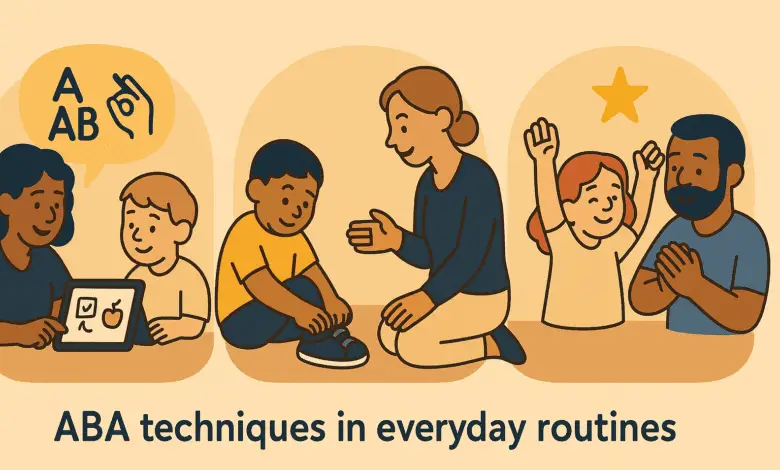
Receiving an autism diagnosis is the first step to finding the right care for a child. Applied Behavior Analysis (ABA) is a therapy intervention that helps disabled kids. Comparing the best in-home ABA therapy options for autistic children will help parents and caregivers find the leading solutions for their kids.
1. Arms Wide Open ABA
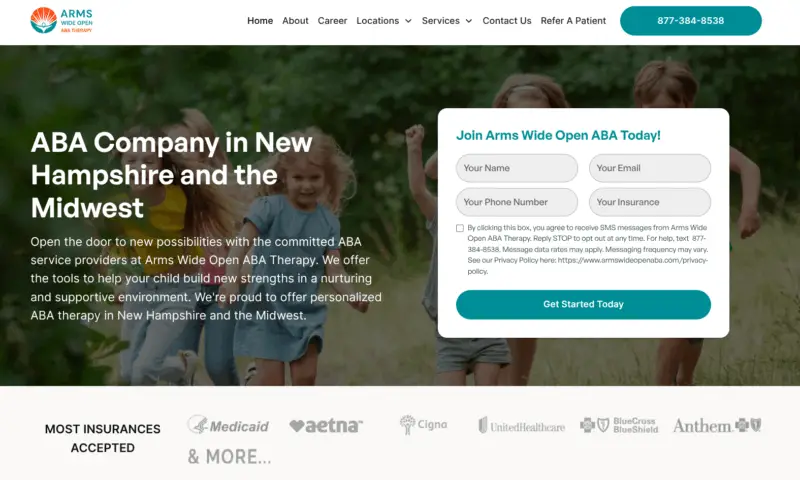
Arms Wide Open ABA specializes in helping kids through ABA techniques. Board Certified Behavior Analysts (BCBAs) work with parents, caregivers and teachers to create collaborative approaches to each child’s development plan. Kids between the ages of 1-12 can achieve their full potential after a comprehensive evaluation.
Key Features:
- At-home services simplify ABA therapy for families and minimize disruptions to kids’ routines.
- Initial assessments provide comprehensive behavioral analysis for individualized, precise care.
- Evidence-based techniques ensure that every child receives science-backed therapy solutions.
2. The Star Academy UK
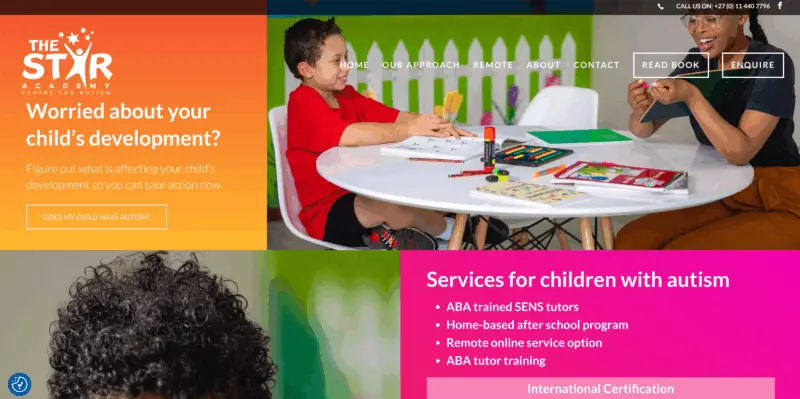
Caregivers rely on The Star Academy UK for at-home support. Tutors travel to each client’s home to help enrollees participate in their custom learning plans. They also use Zoom to provide remote support as needed. People can log onto the Skills system to monitor their child’s progress and ensure they are achieving their goals.
Key Features:
- Parents can choose from short- and long-term programs for therapy arrangements.
- The Skills system monitors each child’s logged progress to review over time.
- Board-certified behavioral analysts work alongside the Star Academy experts to support each student’s existing care team.
3. BlueSprig
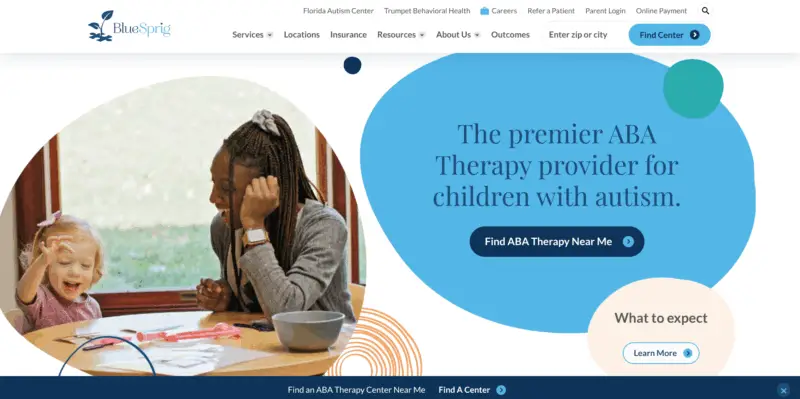
BlueSprig employs registered behavior technicians to determine the leading ABA therapy plan for each child’s unique needs. Enrollees remain around their loved ones so they feel comfortable and confident while learning essential self-help skills. BlueSprig experts give each child the tools they need to thrive alongside caregivers who want to be involved in the process.
Key Features:
- Every enrollee gets one-on-one time with registered behavior technicians who help them with their specific skills during daily routines.
- BlueSprig welcomes caregiver involvement in ABA therapy sessions.
- Board-certified behavior analysts supervise all registered behavior technicians to ensure alignment with best practices.
Criteria to Find an Excellent ABA Therapy Team
There are many ABA therapy providers available for families who need support. Anyone seeking professional assistance can locate providers for their child by looking for companies offering essential services, such as:
- Evidence-backed ABA therapies that help autistic children from a variety of approaches
- Numerous accepted insurance plans if the company is in a region that accepts private health insurance
- Well-trained team members who understand how to provide ABA therapies with compassion
Caregivers can always call a potential ABA provider to discuss their questions. Afterward, they can schedule a comprehensive behavioral review to initiate the enrollment process with the company that most closely addresses their concerns.
What to Expect After Enrolling
Companies will offer different services depending on whether they are in the U.S. or the U.K. People seeking the best in-home ABA therapy options for children with autism will know what to expect after exploring more than service listings.
They should evaluate whether each company allows parental involvement if that is something they desire. Parents can also inquire about each team’s data-driven approach for ensuring that each enrollee is on track with their personalized learning plan.
Families may see gradual progress as weeks and months pass. Social skills, communication abilities and everyday behaviors may improve as they gain essential tools with their therapists. Children will also become more independent as they learn crucial skills, depending on whether that is a goal.
Explore ABA Therapy Providers
Kids can get specialized support after enrolling in some of the best in-home ABA therapy options for children with autism. Compare their services and contact each company with any lingering questions. The right fit will be clear once board-certified analysts outline their recommended goals.
Some families explore Applied Behaviour Analysis (ABA) as one of several support options for autistic children. Views on ABA differ within the autistic community, and experiences vary widely. The links above are provided for information only and do not represent an endorsement. Families may wish to look into a range of approaches, prioritising autonomy, consent, and wellbeing, and seek guidance from qualified professionals and autistic-led organisations when considering any therapy.
FAQs
How Does ABA Therapy at Home Work?
ABA therapy at home involves a practitioner visiting the family’s home to work with the child in a familiar environment. Sessions focus on everyday routines — such as mealtimes, play, or communication — so the child can learn and practise skills in the places they already use them. Therapists usually agree on goals with parents or carers and review progress together.
What Can You Do at Home for ABA?
If a family chooses ABA, the therapist may suggest simple activities that fit the child’s interests and daily life. This might include turn-taking games, communication practice during routines, or tasks that build independence. These activities should be adapted to the child’s needs and should never cause distress or overwhelm.