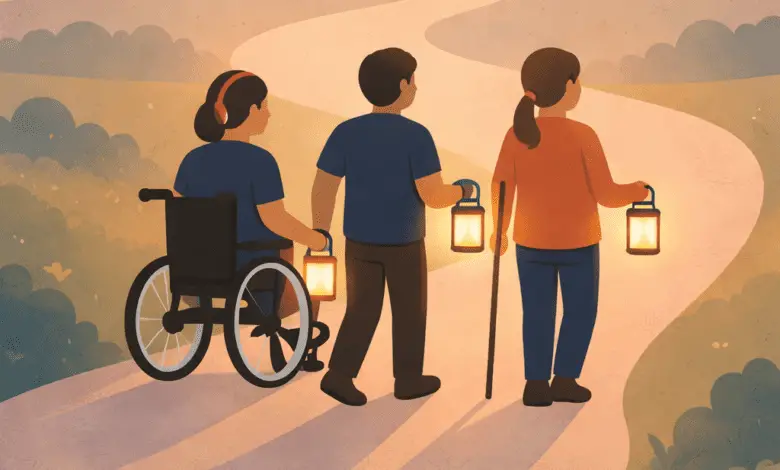
Mental health recovery rarely follows a neat timeline. One week can feel steady, the next can feel like starting over. This is common when symptoms overlap with trauma, chronic stress, disability-related barriers, or substance use.
“It’s a journey. It doesn’t happen immediately. You can’t just assume recovering the next day. Sometimes it can take months, years, it’s a process…”
— Person living with an anxiety disorder, qualitative recovery study, PMC 2024
Mental health recovery: key insights for building a practical support plan
| Key Insight | Why It Matters |
|---|---|
| Mental health recovery is rarely linear | Progress often includes setbacks, especially when trauma, disability, or chronic stress are involved. |
| Diagnosis labels can open doors to care | Labels can help people access treatment, adjustments, and support services when used constructively. |
| A diagnosis alone is not a recovery plan | Long-term stability usually requires changes in routines, environments, relationships, and daily supports. |
| Disabled people may face additional recovery barriers | Fatigue, inaccessible transport, sensory overload, financial pressure, and long waiting lists can affect treatment access. |
| Small repeatable habits support stability | Anchors such as sleep routines, regular meals, and predictable appointments reduce decision fatigue. |
| A written flare-up plan helps during difficult periods | Clear steps and contacts reduce uncertainty when symptoms increase. |
| Support works best when layered | Combining routines, professional care, social connection, and environmental adjustments creates resilience. |
Mental health recovery is widely understood as a long-term process focused on building a meaningful life alongside ongoing symptoms.
A diagnosis label can be useful for getting the right care, accommodations, and language for what is happening. Still, labels can shrink a whole person into a single word, which can lead to shallow plans that fall apart outside the clinic. A holistic approach treats recovery as a system with moving parts: sleep, safety, support, environment, identity, and access to healthcare.
When labels help, and when they get in the way
Labels can open doors to services, insurance coverage, and workplace adjustments. They can also reduce shame by naming a pattern. The problem starts when the label becomes the plan.
“They sent me from the institution where I was working to another… Even though I was good at my job… they did not trust me.”
— Person living with an anxiety disorder, qualitative recovery study, PMC 2024
A more helpful question is: “What needs to change in daily life so stability becomes more likely?” That keeps the focus on actions and supports that can be practiced, measured, and adjusted.
If structured care is already on the table, it helps to compare programs based on what they do after the initial stabilization phase.
If structured care is already being considered, it can help to compare programmes based on what they offer beyond the initial stabilisation phase. For example, someone researching mental health rehab in Utah might look for integrated care, clear assessments, and continuing support that extends beyond discharge.
For disabled people, recovery often involves additional barriers that standard mental health advice can overlook. Fatigue from chronic illness, inaccessible transport, sensory overload, financial pressure, and long waiting lists for specialist care can all shape how recovery unfolds.
For many people, the first step toward holistic recovery is getting an accurate diagnosis. In the East Midlands, accessing specialist neurodevelopmental assessment can be a significant hurdle, with NHS waiting times often stretching into years. If you suspect that ADHD may be a factor in your mental health challenges, a Private ADHD Assessment Leicester can provide clarity much faster, giving you the diagnostic foundation needed to build a meaningful, personalised recovery plan — rather than managing symptoms without ever fully understanding their root cause.
A practical approach works best when it acknowledges these realities and focuses on small changes that fit around fluctuating health and energy levels.
A practical whole-person checklist to use this week
Scan the list, then pick two items to strengthen first:
- Body basics: consistent wake time, regular meals, hydration, gentle movement
- Stress load: sensory triggers, money pressure, conflict, caregiving demands
- Safety: crisis contacts, a plan for high-risk moments, safe housing basics
- Connection: one trusted person, one community touchpoint, one clinician
- Function: transportation, appointment access, work or school load
- Treatment fit: medication side effects, therapy match, care coordination
- Meaning: hobbies, volunteering, faith, creative outlets, future goals
Two tips that make this work:
- Choose the smallest version of a habit that can be repeated even on a bad day.
- Track one signal weekly, such as sleep consistency or time spent isolated, then adjust.
Questions to ask any provider before starting
These questions keep the focus on long-term recovery, not short-term intensity:
- How is progress tracked beyond attendance?
- What support is included after the program ends?
- How is care adapted for fatigue, chronic pain, sensory needs, or mobility limits?
- What happens if symptoms spike mid-program?
- How are co-occurring issues treated (anxiety plus substance use, trauma plus depression)?
The recovery stack: supports those who still work on hard days
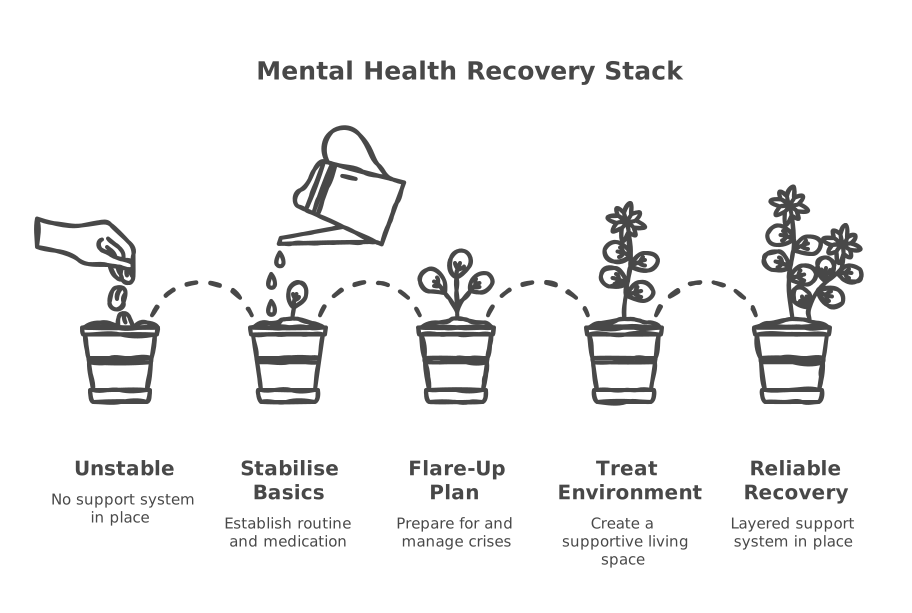
Long-term recovery is more reliable when support is layered. A single tool, like therapy once a week, may not hold up during a crisis or a major life change. A “recovery stack” spreads the load so no single support has to do everything.
Many services now follow a recovery-focused model that prioritises autonomy, support networks, and personal goals. Mental health charity Mind describes recovery as building a meaningful life even when symptoms fluctuate.
Layer 1: Stabilise the basics without aiming for perfection
Many people try to fix everything at once and burn out. A steadier approach is to anchor one or two basics:
- Sleep anchor: one fixed wake-up time, even if bedtime shifts
- Food anchor: one planned meal each day that is easy to repeat
- Movement anchor: 3–5 minutes of stretching or chair-based movement
- Medication anchor: reminders, a refill plan, and a side-effect log for the prescriber
When energy is limited, predictability matters. A predictable routine lowers decision fatigue and reduces the chance that one tough day turns into a tough week.
“I think I am the person most responsible for my recovery. I think I am a valuable person and I know how to bring out those values.”
— Person living with an anxiety disorder, qualitative recovery study, PMC 2024
Layer 2: Write a flare-up plan, then share it
A written plan prevents guesswork when symptoms rise. Keep it in a phone note and share it with one trusted person.
Include:
- early warning signs (sleep changes, isolation, irritability, appetite shifts)
- top three coping actions that usually help (shower, grounding, short walk, music)
- who to contact, in order (friend, therapist, crisis line)
- what tends to make things worse (skipping meals, alcohol, arguing late at night)
- accessibility needs during a flare-up (quiet space, text check-ins, help with rides)
Organisations such as Rethink Mental Illness recommend written coping plans and early-warning strategies to help manage periods when symptoms increase.
Layer 3: Treat the environment like part of the care plan
Recovery can stall when the environment continues to trigger stress responses in the body.
Examples that support stability:
- noise-cancelling headphones or earplugs for sensory overload
- grocery delivery or a simple recurring shopping list to reduce exhaustion
- a consistent appointment day and time to reduce anticipatory anxiety
- work adjustments such as flexible start times or remote days when possible
For many disabled people, access barriers are not optional considerations — they determine whether care is usable at all. Accessible transport, flexible appointment formats, and sensory-aware environments can make the difference between treatment that works and treatment that remains out of reach.
Laura, 21, who lives with both a cardiac condition and anxiety, described how her mental health deteriorated after her physical diagnosis and how finding community became central to her recovery: “I used to say I wasn’t brave enough to handle it, but I’m still here.”
Build a recovery life that is bigger than the label
Long-term recovery is not a straight line. It is the ability to return to a plan after setbacks, with less shame and more skill. A holistic plan includes basic anchors, a written flare-up plan, and layered supports that can flex with disability, shifting stress, and co-occurring challenges.
“If I can enjoy life, it means I have recovered, I am alive. Otherwise, it doesn’t make sense.”
— Person living with Bipolar Affective Disorder, qualitative recovery study, PMC 2024
Frequently asked questions about mental health recovery
What does mental health recovery mean?
Mental health recovery usually means building a meaningful and stable life while managing ongoing symptoms. Many recovery models focus on routines, supportive relationships, access to care, and personal goals rather than the complete disappearance of symptoms.
Is mental health recovery a straight process?
No. Recovery rarely follows a straight timeline. People often experience periods of stability alongside setbacks, especially when stress, trauma, chronic illness, or life changes affect mental health.
Why are routines important in recovery?
Consistent routines such as regular sleep, meals, and daily structure reduce decision fatigue and help stabilise mood and energy. Small predictable habits often provide a foundation for longer-term recovery.
What is a recovery plan?
A recovery plan is a personalised set of strategies and supports that help someone manage symptoms and maintain wellbeing. It may include coping tools, early warning signs, support contacts, treatment plans, and practical adjustments in daily life.
How can recovery plans support disabled people?
Recovery plans can include accessibility needs such as flexible appointments, sensory-aware environments, accessible transport, or adjustments for fatigue and chronic pain. Addressing these barriers helps make care more practical and sustainable.

