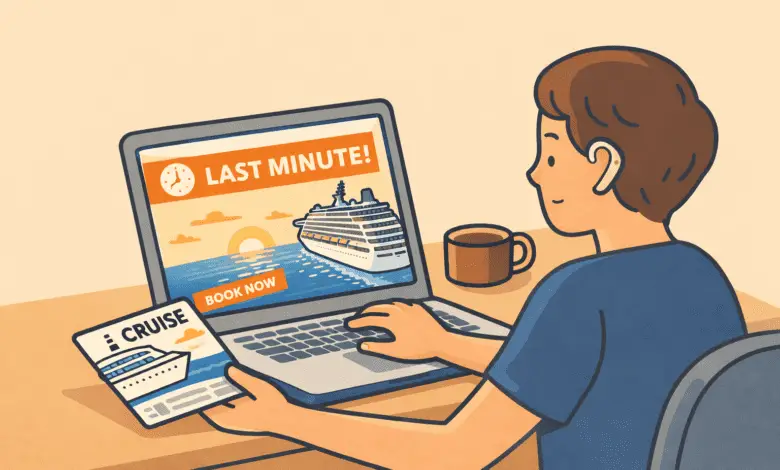
Can Disabled Travellers Book Cruises Last Minute? Finding Accessible Cabins and Cruise Deals
Accessible cruise cabins are limited, but cancellations and late availability can occasionally create opportunities for flexible travellers.

How Last-Minute Cruise Deals Can Benefit Disabled Travellers
Planning a holiday often means confirming transport, accommodation, and activities in advance. Disabled travellers may also need to check accessible cabins, mobility aid policies, step-free routes, and onboard assistance before booking. Because accessible cruise cabins are limited, many people reserve them months ahead.
However, cancellations and late availability sometimes release accessible cabins close to departure. For travellers who can travel at short notice, Cunard last-minute deals can occasionally provide another way to secure an accessible cruise holiday.
Don’t abandon carefully planned trips, just be open to the opportunity of some spontaneity that still could work!
| Key takeaway | Why it matters |
|---|---|
| Cruises remove many travel barriers | Accommodation, dining, and transport stay in one place |
| Accessible cabins sometimes appear late | Cancellations and booking changes can release them |
| Accessibility varies between ships | Confirm cabin layout and onboard support before booking |
| Flexibility helps | Travellers able to leave quickly may find late availability |
Quick accessibility facts about cruise travel
- Most modern cruise ships include wheelchair-accessible cabins.
- Ships typically have lifts connecting passenger decks.
- Restaurants, theatres, and public areas are usually step-free.
- Accessible shore excursions may be available in some ports.
- Accessible cabins are limited, which is why many travellers book early.
Can disabled travellers book cruises last minute?
Accessible cruise cabins are limited, which is why many disabled travellers book months in advance. However, last-minute bookings can sometimes work.
Passengers cancel trips for many reasons, including illness or travel changes. When this happens, accessible cabins return to availability shortly before departure. Cruise lines may also release cabins that were previously held in reserve.
That means flexible travellers occasionally find accessible cabins that were not available earlier in the booking cycle. It does not happen on every sailing, but it occurs often enough that checking late availability can be worthwhile.
Accessibility details should still be confirmed before booking. Cabin layouts, boarding support, and shore access can vary between ships.
Why cruises can work well for disabled travellers
Cruises remove many of the access barriers that appear on multi-destination holidays. Once on board, accommodation, restaurants, and entertainment remain in the same place throughout the trip.
For wheelchair users or travellers with limited mobility, this reduces the need to organise accessible taxis, hotels, and restaurants in each destination. Ships often include lifts between decks, step-free routes in public areas, and accessible dining spaces.
For many disabled travellers, the appeal of cruising is the ability to settle into one accessible environment rather than manage new accessibility barriers at every stop.
If you are new to cruise travel, you may also find our guide to planning an accessible cruise useful.
Why last-minute cabins sometimes become available
Accessible cabins are limited on most ships. Cruise lines often hold them for passengers who require them, which is why early booking remains the safest option.
However, cancellations do happen. Passengers sometimes cancel holidays close to departure and cabins return to the booking system.
It’s true that wheelchair-accessible cabins are limited and early booking is always the safer choice. However, cancellations do happen — and accessible cabins booked by non-disabled guests (a known issue in the cruise industry) also free up close to departure. For flexible travellers, it’s worth calling directly to ask what’s currently available rather than assuming the search engine shows everything.
Specialist agents or cruise accessibility teams may sometimes identify accessible cabins that do not immediately appear in public booking systems.
What accessible cruise cabins usually include
Many cruise ships provide cabins designed for wheelchair users or travellers with limited mobility. These cabins often include:
- Wider doorways suitable for wheelchair access
- Roll-in showers with seating and grab rails
- Lower wardrobes, shelves, and switches
- Turning space for wheelchairs or mobility aids
- Accessible balconies on some ships
Specialist accessible travel providers note that some Cunard ships offer wheelchair-accessible staterooms with roll-in showers and adapted bathrooms. Layouts vary between ships and cabin categories, so requesting measurements or cabin diagrams before confirming a booking can prevent surprises later.
Specialist support and boarding assistance
Many cruise lines provide additional assistance for passengers with mobility needs. This may include priority check-in, accessible seating areas, and support during embarkation.
In a filmed interview with Cunard’s accessibility team, a representative explains that passengers with mobility needs can check in through a dedicated line and may board the ship earlier to make the process easier.
Questions to ask before booking a last-minute cruise
- Is the cabin fully wheelchair accessible or only step-free?
- Are accessible shore excursions available?
- Will tender boats be used at any ports?
- Can mobility scooters or medical equipment be brought onboard?
- Is priority boarding available?
- Checking tender ports access before booking
- Confirming scooter battery policies
- Lift access during busy times
- Accessible evacuation procedures
Common accessibility limitations on cruises
Although cruise ships have improved accessibility in recent years, some barriers still exist.
- Tender ports may prevent wheelchair users from going ashore safely.
- Older ships may have fewer accessible cabins.
- Some shore excursions involve steps or uneven ground.
- Accessible transport may not be available in every destination.
Checking the itinerary and excursion details before booking helps travellers understand how accessible the full trip will be.
Late availability can sometimes reduce the cost of cruising
Cruise lines generally prefer to fill cabins rather than leave them empty. As departure approaches, unsold rooms may be discounted.
When accessible cabins return to availability through cancellations, they can sometimes appear at the same reduced prices as other cabins.
For disabled travellers with flexible schedules, this occasionally makes cruises more affordable. A sailing that felt too expensive earlier in the year may become realistic at short notice.
Late deals sometimes include extras such as onboard credit, discounted excursions, or upgraded cabins. While this does not happen on every sailing, it can add value when it does.
Premium cruise lines can be particularly expensive when booked early. Finding a late deal can make this type of cruise accessible to travellers who might not otherwise consider it.
For some travellers, less planning time can actually reduce stress
Many disabled travellers prefer to organise holidays well in advance. Confirming accessibility details early can make travel feel more predictable.
However, a long planning process is not always reassuring. It can involve repeated emails about access requirements, uncertainty about whether information will still be accurate months later, and a long wait before finding out whether everything will work in practice.
A last-minute cruise booking shortens that gap. Once the cabin is confirmed and the essential details are checked, there is less time spent worrying about possible problems.
Cruises can work particularly well for spontaneous trips because much of the holiday is already arranged. Accommodation, meals, and entertainment are all on board. There is no separate hotel to book, no accessible restaurants to research in each destination, and no adapted transport to organise every morning. Once the ship sails, much of the day-to-day planning disappears.
Be flexible with dates and destinations
Flexibility makes a big difference when searching for accessible cabins at short notice. If a specific destination is not essential, widening your search across different sailing dates and routes increases the chances of finding availability.
Speaking to a specialist cruise agent can also help. Agents sometimes have access to cabin availability that does not immediately appear in online search tools.
Real experiences from disabled travellers
Clare Edwards — wheelchair user and co-founder of Trabasack
Clare, who uses a wheelchair after a spinal injury, has travelled extensively with her husband Duncan across hotels, ferries, and multi-destination trips throughout Europe, Australia and USA.
“Every new hotel, every new city — you’re solving accessibility from scratch each time,” she says. “Can I actually wash my hair in the bathroom? Will I find an accessible taxi? You spend so much energy just managing the basics before you can enjoy being somewhere.”
It’s exactly this experience that makes the cruise model appealing — the idea of solving accessibility once and staying in that same environment for the whole trip, rather than re-negotiating it at every stop.
What travellers say about booking support
“The helpful staff go beyond to help and made booking very easy… They beat the price too.”
“Always helpful, informative and help sort out everything quickly. We need an accessible cabin so they always advise us about the evac chair and tenders.”
Reviews like these suggest some travellers find specialist cruise agents useful when checking accessibility details before booking.
Learning from other disabled travellers
Online communities also share useful accessibility advice. Wheelchair users in cruise forums often discuss which cruise lines offer accessible cabins, how tender ports affect shore access, and which ships provide the best onboard access.
Community discussions on sites such as Reddit and TripAdvisor include first-hand experiences from disabled people comparing ships, itineraries, and accessible shore excursions.
A flexible option worth considering
Last-minute bookings will not suit every disabled traveller. Many people prefer confirming accessibility details well in advance.
However, cancellations and booking changes sometimes release accessible cabins close to departure. Travellers with flexible schedules may occasionally find cabins that were not available earlier in the booking cycle.
If you have cruised with a disability, Disability Horizons would love to hear about your experience and the accessibility features that made your trip easier.
About the author
Duncan Edwards is co-founder of Disability Horizons and co-inventor of the award-winning Trabasack lap desk. Disability Horizons is run by disabled entrepreneurs who focus on accessibility, independent living, and disability innovation.
Duncan writes regularly about accessible travel and inclusive design. His wife Clare, a wheelchair user, often contributes lived experience insights to Disability Horizons travel content.
