8 tips to help you choose the best stairlift for you
Choosing a Stairlift: What to Consider Before You Buy
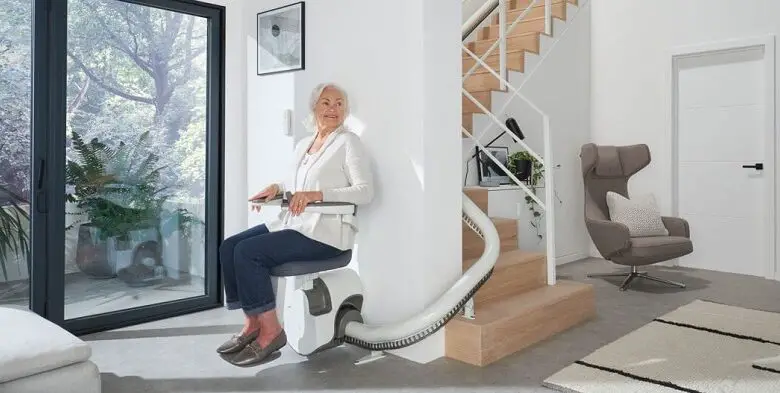
A stairlift can make a huge difference to your day-to-day independence by giving you a safe and reliable way to move between the floors in your home. With plenty of models and features on the market, understanding the key considerations when installing stairlifts helps you make the right decision for your needs.
Below is a clear guide to the main points people usually explore when choosing a stairlift.
Tip 1: Straight, curved, or outdoor?
The shape of your staircase and where you need access is one of the biggest factors in deciding which type of stairlift you need.
Straight stairlifts
These run on a simple, linear rail and suit staircases that go directly from top to bottom without bends or corners. They can usually be fitted to narrow, steep, or long staircases. New straight stairlifts typically start from around £2,300.
Curved stairlifts
These are designed for staircases with turns, half-landings, spirals, or any kind of change in direction. The rail is made to measure so it follows the exact layout of your stairs. This tends to take longer to manufacture but offers a precise and secure fit. Curved models generally start from around £4,500 due to the custom manufacturing required.
Outdoor stairlifts
If you need access to your garden, porch, or garage, outdoor stairlifts are built with weather-resistant materials to withstand rain, frost, and temperature changes. These are particularly valuable for maintaining independence in all areas of your home.
Tip 2: Weight capacity and specialized models
Standard stairlifts accommodate most users comfortably, but if you need additional support, heavy-duty models are available that can safely carry users above 25 stone. Brands like Handicare offer specialized ranges designed specifically for higher weight capacities.
Perch seats
Designed for people who find sitting uncomfortable or have limited knee mobility, these allow you to travel in a near-standing position. They’re especially helpful for users with hip or knee conditions that make traditional sitting painful.
Tip 3: Safety features and modern technology
Today’s stairlifts include advanced safety features as standard, giving you peace of mind with every journey:
Essential safety elements
- Advanced sensors that detect obstructions on the stairs and stop the lift automatically
- Automatic brakes that engage smoothly
- Anti-slip footrests for secure positioning
- Battery backup systems so the lift works even during power cuts
- Seatbelt systems and swivel locks
- Smooth start/stop operation to prevent jolts or sudden movements
User-friendly controls
Modern stairlifts feature intuitive toggle switches and remote controls designed for users with arthritis or limited dexterity, making operation straightforward and comfortable.
Tip 4: Features that support your needs
The right features can make a stairlift safer, easier, and more comfortable to use. Some of the most common include:
Manual swivel seats
A lever beside the chair lets you turn the seat at the top of the stairs so you can get on and off safely.
Powered swivel seats
A button rotates the seat for you, which can be especially useful if turning manually is difficult.
Manual and powered footrests
A standard footrest needs to be folded by hand, while a powered version lifts or lowers at the press of a button.
Remote controls
These let you call or send the stairlift to the other end of the staircase. Controls are usually simple enough to use even if your hand strength or dexterity is limited.
Track options
The track determines how the stairlift sits near doorways and landings.
- Slide tracks are slightly shorter than the staircase so the stairlift reaches both ends without the rail extending onto a hallway.
- Hinged tracks lift up when not in use, which helps keep doorways clear. These can be manual or powered. A powered hinge folds automatically as the stairlift moves, avoiding any need to lift the rail by hand.
If you need support getting up from a chair or have limited mobility, powered swivel seats and powered footrests can reduce the physical effort involved.
Tip 5: How much stairlifts cost
Stairlift prices vary depending on the shape of your stairs, the features you choose, and whether the lift is new or reconditioned.
Current price ranges (2025)
- New straight stairlifts: from £2,300
- New curved stairlifts: from £4,500
- Reconditioned units: from £1,795
Straight stairlifts tend to be more affordable because the track is simpler and doesn’t need to be customised. Curved stairlifts sit at the higher end because each track is built specifically for the home it’s installed in.
Funding and finance options
While a stairlift is a financial investment, several options can help make it more affordable:
- Disabled Facilities Grants may be available depending on your circumstances
- Finance plans spread the cost over manageable monthly payments
- Rental options exist for temporary needs or trial periods
Watch out for hidden costs like customizations, extra warranty years, and ongoing servicing contracts. Always ask for a complete breakdown before committing.
Tip 6: New or reconditioned?
New stairlifts come with up-to-date features and a longer manufacturer warranty, but reconditioned models can be a good option if you’re working to a budget. A reputable supplier will fully refurbish the lift, check all safety elements, and ensure it meets the same standards as a new model.
Choosing a reconditioned stairlift can bring down the cost without reducing comfort or reliability.
Tip 7: Comparing leading brands
Different manufacturers offer varying features, warranty lengths, and upholstery options. Leading brands like Handicare, Platinum, and Acorn each have their own strengths:
- Handicare offers specialized heavy-duty models (1000 and 4000 series) with higher weight capacities
- Different brands vary in upholstery choices, control designs, and included features
- Warranty lengths and what’s covered differ between manufacturers
Reading real user reviews can give you insight into reliability, installation speed, aftercare quality, and overall value for money. Look for feedback on the complete experience, not just the product itself.
Tip 8: Warranty, maintenance, and aftercare
Stairlifts are used daily, so ongoing support matters. Regular servicing is essential for safety and smooth operation, including basic maintenance like dust control and simple troubleshooting.
What to look for:
- A clear warranty covering parts and labour (check typical duration)
- What is and isn’t included (batteries, servicing visits, parts replacement)
- Emergency call-out coverage
- Options for extended warranties
- Battery replacement plans
- Regular servicing packages
Even the most reliable stairlift needs occasional maintenance, and a good warranty gives you reassurance that help is available when needed.
Why disabled people’s input matters in stairlift design
Research on integrated staircase lifts has shown that when wheelchair users and other disabled stakeholders are involved from the earliest concept through to prototype testing, they reshape core design decisions—from safety features and controls to speed and footprint—so the lift actually fits their daily routines rather than designer assumptions.
In one notable study, the design team followed a structured, user-driven design process, taking feedback from occupational therapists first, then holding focus groups with wheelchair users to critique prototypes and prioritise design requirements. Disabled participants highlighted what was wrong with conventional stair glides and platform lifts and directly shaped requirements such as independent use, adjustable speed, better safety gates and easier transfers, which were then built into later prototypes.
Studies of assistive technology and mobility devices more generally demonstrate that user-centred and participatory design with disabled people leads to solutions that are easier to use independently, safer, and better integrated into people’s homes and lives. A participatory design framework developed specifically for wheelchair users and assistive technology shows how co-design can respect disabled people’s time and energy while still letting them drive design priorities—exactly the approach that leads to better stairlifts.
This shows how essential user input is in shaping stairlifts that genuinely work for the people who need them.
Frequently Asked Questions
How long do stairlifts last?
With regular servicing, a quality stairlift can last 10-15 years or more.
Do stairlifts work during power cuts?
Yes, modern stairlifts have battery backup systems that keep them operational even when the power is off.
Can I try a stairlift before buying?
Many suppliers offer demonstrations or short-term rental options so you can test whether a stairlift meets your needs.
Am I eligible for grants?
Disabled Facilities Grants may be available depending on your circumstances and local authority. It’s worth checking with your council to see what support you might qualify for.
While a stairlift is a financial investment, many people find it less expensive than major home renovations or moving to a different property, while maintaining the independence and comfort of staying in the home they love.
By HomeStairlifts.co.uk