Autism Therapy Options in Underserved Nebraska Communities
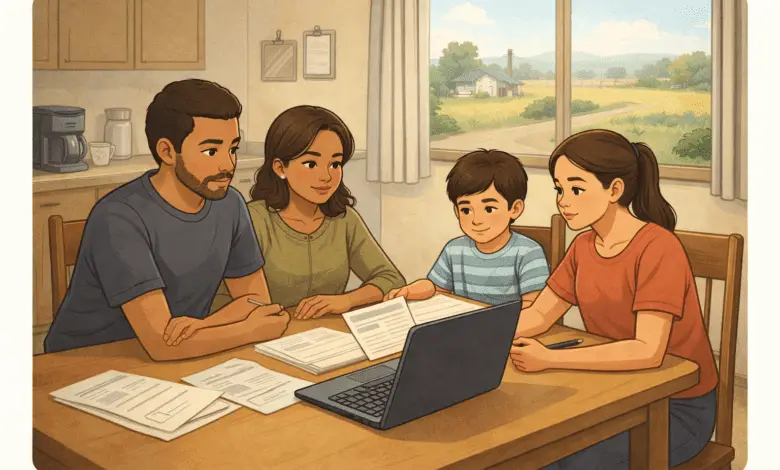
Families raising Autistic children in underserved parts of Nebraska often face barriers that go well beyond diagnosis. Limited provider availability, long travel distances, workforce shortages and uneven insurance coverage all shape what support is realistically accessible, especially outside larger cities. In many rural areas, choice is often constrained by geography and local provider scarcity rather than family preference.
When families explore therapy options, they are navigating a system that was not designed with rural, low-income or culturally diverse communities in mind. Understanding what services exist — and where their limits lie — can help families make informed decisions without being steered toward a single model of support.
Important context before choosing autism therapy
Autism therapies, particularly Applied Behavior Analysis (ABA), are widely used across the United States and frequently recommended by clinicians and insurers. ABA is a structured approach that uses positive reinforcement and individualized teaching to help children build specific skills.
At the same time, many Autistic adults, advocates and some families express concerns about certain implementations of ABA therapy, especially when goals prioritise compliance over autonomy or do not centre the child’s own comfort and preferences. Because of this, Disability Horizons does not present any therapy model as a universal solution. What works for one child or family may be inappropriate or harmful for another, especially when families lack access to a range of approaches, culturally responsive care, or providers experienced with neurodiversity-affirming practices.
The options below reflect services that operate in Nebraska, including in or near underserved areas, but they are not endorsements. Access, cultural fit, cost, insurance coverage and the family’s own values all matter in choosing what supports to pursue.
Stride Autism Centers (center-based ABA therapy for early learners)
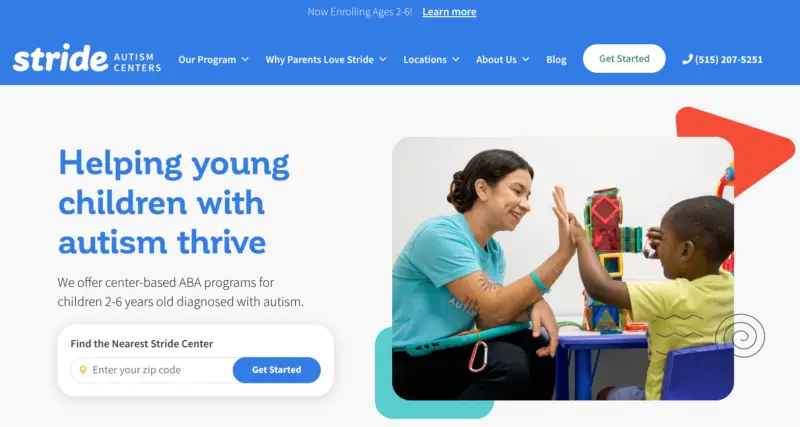
Stride Autism Centers provides centre-based Applied Behavior Analysis (ABA) therapy for young children diagnosed with autism, with services primarily focused on the preschool age range of 2 to 6 years. In Nebraska, Stride operates centres in Omaha, Lincoln, and Bellevue, offering access to structured early intervention services in and around larger population centres. For families in rural or underserved areas, however, travel distance may still be a factor when considering centre-based care.
Stride’s approach is built around early childhood support delivered within a centre-based setting. Programmes are designed to follow consistent daily routines, combining individual therapy sessions with shared activities intended to reflect early school environments. Treatment plans are developed and overseen by licensed clinicians, with ongoing input from families.
Key features and service model
- ACQ accreditation in Nebraska: Stride Autism Centers is accredited by the Autism Commission on Quality (ACQ). According to the provider, this accreditation reflects adherence to recognised standards covering clinical care, safety practices, and organisational quality within ABA services. Accreditation indicates external oversight, but does not determine whether a particular therapy model is suitable for every child or family.
- Stride360 programme: Stride delivers an early learning model known as Stride360. The programme combines centre-based ABA therapy with structured play, group activities, and skill-building sessions. These are intended to support communication, social interaction, pre-academic skills, and daily routines within an ABA framework.
- Individualised support within a centre setting: Each child follows an individualised plan developed by a Board Certified Behavior Analyst (BCBA). Children receive regular one-to-one support from trained staff as part of their programme, alongside small-group and shared activities, rather than exclusively one-to-one therapy throughout the entire day.
Points families may want to consider – Stride
- Age-specific focus: Stride’s services are designed for early childhood and do not extend to older children or teenagers.
- ABA-based approach: Families seeking non-ABA or neurodiversity-affirming support models may wish to explore alternative or complementary options.
- Location and access: While Stride has multiple centres in Nebraska, families outside urban areas may still face travel and availability challenges.
- Programme fit: As with any therapy, families may want to consider how the structure, goals, and approach align with their child’s needs and their own values.
For families who are specifically seeking structured, centre-based ABA services during the preschool years, Stride Autism Centers represents one of the providers currently operating in Nebraska. Others may prefer community-based supports, school-led services, or different therapeutic approaches depending on access, affordability, and individual preference.
Autism Center of Nebraska (lifespan support and community-based services)
The Autism Center of Nebraska (ACN) is a non-profit developmental disabilities service provider certified under contract with the State of Nebraska’s Health & Human Services Division to deliver supports for individuals with autism and other developmental disabilities across the lifespan. ACN operates in several Nebraska communities, including Omaha, Lincoln and Fremont, and offers a range of services tailored to different ages and stages of life.
ACN’s mission emphasises choice, dignity and respect, and its services are designed to help individuals build skills that promote independence in daily living, community participation and employment.
What ACN offers
- Supports for a wide age range: ACN serves people with autism and other developmental disabilities from early childhood through adulthood. Services are tailored to individual goals rather than a single therapy model.
- Residential and shared living services: For adults and some older adolescents, ACN facilitates a variety of residential support options, including group homes (with small household sizes) and shared-living arrangements with trained providers. These are intended to provide safe living environments while supporting personal goals.
- Vocational and employment supports: ACN offers vocational skills training and employment services aimed at helping adults with developmental disabilities prepare for and maintain jobs in their communities, with support from job coaches and structured programming.
- Day, transition and community inclusion services: Programmes include community participation supports, transition services for adolescents moving from school to adult life, respite care for families, and intermittent support in the home for children and youth.
Points families may want to consider -ACN
- Service model varies: ACN’s approach is broad and community-based rather than focused on a single therapeutic framework such as ABA. Families looking for specific therapy types should clarify the available methods with the provider.
- Geographic spread: ACN’s programmes are concentrated in certain Nebraska cities; rural families may need to consider travel or local alternatives.
- Individual fit: As with any support option, how well ACN’s services align with a family’s priorities, cultural preferences and logistical needs will vary.
ACN represents one of the more comprehensive service providers in Nebraska that supports people with autism across life stages, combining residential support, employment and community inclusion services in ways that families and individuals can tailor to their own goals.
Autism Society of Nebraska (advocacy, education, and peer support)
The Autism Society of Nebraska (ASN) is a statewide non-profit organisation focused on advocacy, education, and community support for Autistic people and their families. According to the organisation, ASN does not provide clinical therapy or diagnostic services. Instead, its role is to help individuals and families access information, understand available supports, and connect with others across Nebraska.
ASN operates as Nebraska’s state affiliate of the national Autism Society network. Its work is particularly relevant for families in rural or underserved areas who may have limited access to in-person services and are looking for guidance, peer connection, or advocacy support alongside — or instead of — formal therapy.
What the Autism Society of Nebraska offers
- Information and resource guidance: ASN provides information on autism, local services, education systems, and community resources to help families navigate support options across Nebraska.
- Support groups and community activities: The organisation facilitates support groups, social opportunities, and family events intended to reduce isolation and help Autistic people, parents, and carers connect with peer support.
- Advocacy and awareness work: ASN engages in advocacy at the state and community level, promoting greater understanding of autism and improved access to services, inclusion, and support.
- Education and training: ASN offers workshops, presentations, and educational sessions for families, professionals, and community organisations to build understanding of autism and inclusive practices.
Points families may want to consider-ASN
- Non-clinical role: ASN does not offer therapy, behavioural interventions, or medical services. Families seeking clinical support will need to look to healthcare, education, or therapy providers.
- Complementary support: ASN’s services are often used alongside formal supports, offering connection, information, and advocacy rather than replacing therapy or school-based provision.
- Access and participation: While ASN works statewide, access to groups or events may depend on location, transport, or online availability, which can still be a barrier for some families.
For individuals and families looking for community connection, advocacy, and practical information, particularly where formal services are limited or difficult to access, the Autism Society of Nebraska can provide an important layer of support.
Nebraska Autism Therapy Options at a Glance
This table provides a high-level overview of autism support options operating in Nebraska. It is intended as a reference point rather than a recommendation, as availability, eligibility, and suitability vary by individual and location.
| Provider | Primary Service | Target Age Group | Notable Program or Focus |
|---|---|---|---|
| Stride Autism Centers | Centre-based ABA therapy | 2–6 years | Stride360 early learning programme |
| Autism Center of Nebraska (ACN) | Lifespan disability support services | All ages | Vocational, residential, and community-based supports |
| Autism Society of Nebraska | Advocacy, education, and peer support | All ages | Community connection, information, and advocacy |
This overview is not a ranking or endorsement. Families may wish to consider access, cost, location, and personal priorities when exploring support options.