Making Orthodontic Care Accessible for Everyone
Orthodontic treatment can improve comfort, speech, and confidence, yet getting that care is not equally easy for everyone. For many disabled people, the barriers are practical: a clinic that cannot accommodate a wheelchair, staff unsure how to adjust, or appointments that feel rushed.
Photo by Joachim Hoholm on Pexels
None of those barriers are about the treatment itself. They are about how care is delivered. Practices such as Sun Orthodontist in Miami, Florida, work with patients of many ages and needs, and the principles of accessible care travel anywhere. This guide looks at what makes orthodontic care genuinely accessible.
Why Does Accessible Dental Care Matter?
Accessible dental care matters because oral health affects the whole body and daily life. Difficulty chewing, pain, or self-consciousness about teeth can shape eating, speaking, and social confidence. When a clinic is hard to reach or use, people often delay care until small problems become serious.
The gap is well documented. Disabled people face more barriers to routine dental and orthodontic care than the general population, and those barriers compound over time.
Closing that gap is rarely about expensive equipment. It is usually about planning, patience, and a willingness to adapt. A welcoming clinic often costs little extra to create. Public health bodies publish oral care guidance for people with learning disabilities that shows how small adjustments make a real difference.
What Makes an Orthodontic Visit More Accessible?
Several practical features turn a difficult visit into a manageable one.
- Step-free access, so the building works for wheelchairs and mobility aids.
- Longer appointment slots, which remove the pressure of a rushed visit.
- Clear communication, including plain language and visual aids.
- Sensory awareness, such as quieter rooms or dimmer lighting on request.
- Flexible scheduling, including quieter times of day.
- Staff training, so the team is comfortable adapting to each patient.
None of these are dramatic changes. Together they decide whether a person feels welcome or excluded.
How Can Clinics Support Patients With Disabilities?
Clinics support patients best when they ask rather than assume. A short conversation before the first visit, about access needs and what helps a person feel at ease, prevents most problems. Some patients need extra time, others need a familiar companion present, and many simply need to know what will happen next.
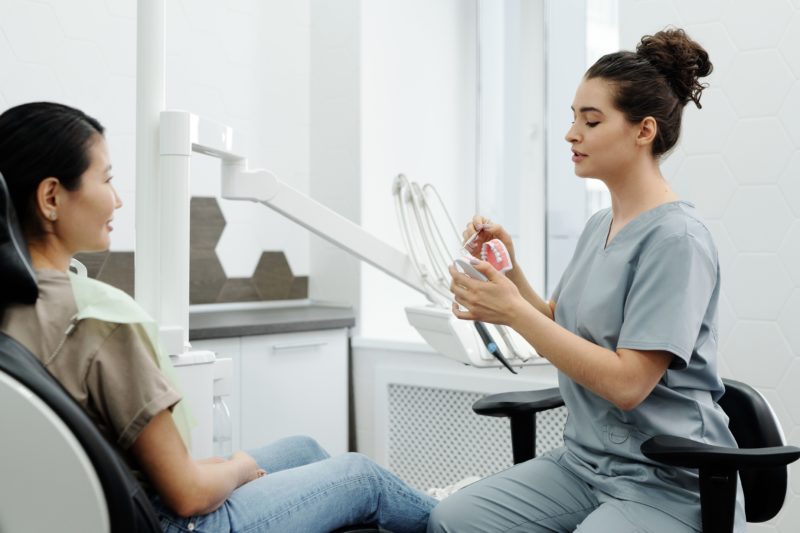
Photo by Cedric Fauntleroy on Pexels
Reasonable adjustments are often small. Breaking treatment into shorter steps, explaining each tool before it is used, and allowing breaks can transform the experience.
Building supportive health habits at home matters too, and a good clinic works with a patient’s routine rather than against it. Resources on developmental disabilities and oral health help both families and dental teams prepare.
What Should You Ask a Practice Before Booking?
A few questions reveal how accessible a practice really is.
- Is the building step-free, with accessible parking and toilets?
- Can appointments be longer if extra time is needed?
- Will the same staff see you across visits for continuity?
- Can the team adapt for sensory or communication needs?
- Are quieter times available for booking?
- How is consent handled when a patient needs support to decide?
When access to care is difficult, dental health is often the first thing to slip, so these questions are worth asking early.
What Can Reviews Tell You About Accessibility?
A practice’s website can tell you what services it offers, but patient reviews often provide a clearer picture of what appointments are actually like.
When reading reviews, look beyond comments about treatment results. Feedback about communication, appointment flexibility, waiting times, and how staff respond to individual needs can be just as important. For disabled people, these details often shape whether care feels accessible and comfortable.
Some practices, including Sun Orthodontist, publish patient reviews that highlight clear communication, supportive staff, and positive experiences throughout treatment. While reviews cannot tell you everything about a clinic’s accessibility, they can help identify questions to ask before booking.
Reviews are most useful when combined with direct conversations. If accessibility information is unclear, ask about step-free access, sensory adjustments, communication support, longer appointments, or any other reasonable adjustments you may need. A practice that welcomes these conversations is often more likely to provide a positive experience.
A Quick Guide to Finding Accessible Care
A short checklist helps before committing to a practice.
- Confirm step-free access and accessible facilities
- Ask whether longer or quieter appointments are possible
- Check how the team adapts communication and care
- Look for continuity of staff across visits
- Discuss access needs before the first appointment
- Trust how a practice responds to your questions
Why Inclusive Orthodontic Care Is Worth Seeking
Inclusive orthodontic care is worth seeking because everyone deserves a healthy, comfortable smile, not only those for whom clinics were originally designed. The right practice treats access as part of good care, not an afterthought. That mindset shows in how staff listen, adapt, and explain.
Three points put the gap in focus. Disabled people report more unmet dental need than the wider population. A single accessible appointment often takes only minutes longer to plan. And early, comfortable care prevents far costlier problems later on.
The payoff reaches beyond straighter teeth. Comfortable eating, clearer speech, and the confidence to smile freely all follow from care that fits the person. From a clinic in Miami to one closer to home, the marker of a good provider is the same. It is a team that asks what you need and then makes it happen. Accessible care is simply good care, delivered for everyone.
Frequently Asked Questions
Can People With Disabilities Get Orthodontic Treatment?
Yes. Orthodontic treatment is available to disabled people, and many practices are experienced in adapting care to individual needs. The key is finding a provider willing to make reasonable adjustments, from longer appointments to clearer communication. A short conversation upfront usually confirms whether a clinic is a good fit.
How Do I Find a Disability-Friendly Orthodontist?
Start by asking direct questions about access, appointment length, and how the team adapts. Online reviews and disability community recommendations help too. A genuinely inclusive practice will answer openly and invite a visit before any treatment, rather than treating your needs as an inconvenience.
Are Clear Aligners a Good Option for Everyone?
Not always, and that is fine. Clear aligners suit many people, but they rely on being worn and changed consistently, which may not suit every situation. For some patients, fixed braces are more practical. The best option depends on the individual, and a good orthodontist will talk it through honestly.
What Accommodations Can a Clinic Offer?
Common adjustments include step-free access, longer or quieter appointments, plain-language explanations, sensory-friendly rooms, and allowing a companion to stay. Many clinics will tailor further if asked. The range of possible accommodations is wide, so it is always worth describing your needs and asking what a practice can do.