Why persistent snoring should not be ignored: sleep apnoea, disability and delayed diagnosis

Persistent snoring is often treated as a joke, but it can sometimes be a sign of obstructive sleep apnoea. This is a condition where breathing repeatedly stops or becomes shallow during sleep because the airway becomes narrowed or blocked. But often it’s very hard to even get referred to a snoring clinic.
According to the NHS guidance on sleep apnoea, symptoms can include loud snoring, pauses in breathing, waking up gasping or choking, and feeling very tired during the day. NICE also describes obstructive sleep apnoea/hypopnoea syndrome as repeated narrowing or closure of the upper airway during sleep, which can disturb sleep and cause excessive sleepiness.
Disabled people may face additional risks from persistent snoring
Sleep apnoea can affect anyone, but some disabled people may face extra factors that increase the chance of breathing difficulties during sleep. Symptoms are not always recognised quickly, especially when tiredness, poor concentration or disturbed sleep are already linked to an existing condition.
For some wheelchair users, sleeping position can play a role. Limited mobility may make it harder to change position during the night. Pain, respiratory conditions or comfort needs can also mean sleeping in a partially reclined position. Some neuromuscular conditions can affect breathing muscles and lung capacity, which may add to sleep disruption.
Medication can be another factor. Many disabled people take medicines to manage pain, muscle spasms or long-term health conditions. Muscle relaxants, antispasmodics, sedatives and opioid-based pain relief can relax the muscles around the airway. This may make snoring or breathing interruptions more likely. These medicines are often essential, so concerns should always be discussed with a healthcare professional before making any changes.
Sleep difficulties are also more common among some neurodivergent people. Research has found that sleep disorders can be common in autistic people and people with ADHD. Fatigue, memory problems and difficulty concentrating may sometimes be attributed to autism or ADHD itself, which can mean an underlying sleep disorder is missed.
People with Down’s syndrome also have a higher risk of obstructive sleep apnoea. The National Down Syndrome Society explains that airway differences, muscle tone and other health factors can make sleep apnoea more likely. Research has also found high rates of obstructive sleep apnoea in both children and adults with Down’s syndrome.
Disabled people are not all affected in the same way. Some people will never experience sleep apnoea, while others may have several risk factors. The key point is that persistent symptoms deserve to be taken seriously.
Recognising the signs of sleep apnoea
Sleep apnoea is not always obvious to the person experiencing it. Often, a partner, family member or carer notices the signs first.
Common symptoms can include:
- Loud, persistent snoring
- Pauses in breathing during sleep
- Waking up gasping or choking
- Morning headaches
- Feeling exhausted after a full night in bed
- Falling asleep during the day
- Difficulty concentrating
- Memory problems
- Irritability or low mood
Because these symptoms can build up slowly, many people do not realise how much poor sleep is affecting their life until they receive treatment.
My experience of undiagnosed sleep apnoea
As a carer and the husband of a wheelchair user with a spinal injury, I know first-hand how disruptive untreated sleep apnoea can be.
For years, I struggled with overwhelming tiredness. I regularly fell asleep watching television, during films and even at my child’s school plays and performances. I drank black coffee throughout the day just to stay awake, yet I still needed a nap most days.
My wife was affected too. Because of her spinal injury, she already had disturbed sleep. My loud snoring and repeated pauses in breathing made it even harder for her to get the rest she needed.
The hardest part was getting help. I raised concerns with my GP practice several times over the years, but my symptoms were repeatedly dismissed. It was only when I saw a locum GP who listened carefully that I was finally referred to a sleep clinic.
The results were shocking. I was stopping breathing around 100 times an hour while asleep.
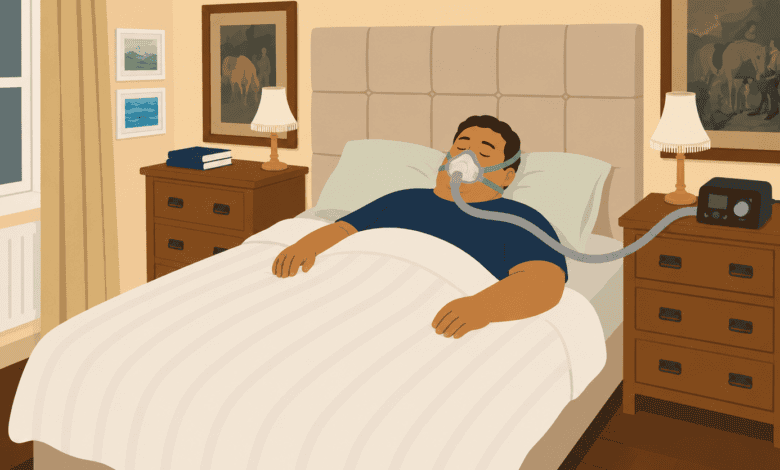
After being diagnosed with severe obstructive sleep apnoea, I was given a CPAP machine. CPAP stands for Continuous Positive Airway Pressure. It gently blows air through a mask to help keep the airway open during sleep. The NHS says CPAP is a common treatment for sleep apnoea and is provided free on the NHS when needed.
The difference was incredible. I stopped relying on black coffee all day. I stopped falling asleep during films, television and school performances. I no longer needed a daily nap. I felt like a new person.
CPAP has not solved everything. The machine still makes noise, and my wife now uses wax earplugs at night. The sound can remind her of her time in hospital on a ventilator, which is understandably difficult. Even so, the change to our household has been huge.
Looking back, I wish I had been referred much sooner. One of the biggest barriers was not recognising that something was wrong, but being believed when I asked for help. Delays in diagnosis can leave people living with avoidable exhaustion for years.
How snoring can affect carers and partners
The effects of persistent snoring often extend beyond the person experiencing it. Partners, family members and carers may also lose sleep because of repeated noise, gasping or breathing interruptions during the night.
Over time, sleep loss can affect mood, concentration and wellbeing. For carers who already provide physical or emotional support, broken sleep can make daily responsibilities harder. Disabled people may also worry about the effect their sleep difficulties have on a partner or family member.
Improving sleep quality can benefit the whole household. Better sleep can mean more energy, fewer daytime naps, improved concentration and less stress for everyone involved.
Getting support if you think you may have sleep apnoea
If you snore regularly, wake feeling exhausted, struggle to stay awake during the day or have been told that you stop breathing while asleep, it is worth speaking to a healthcare professional.
You may be referred to a sleep clinic for assessment. This can involve a home sleep study or overnight monitoring to record breathing patterns, oxygen levels and sleep disruption.
Disabled people can face extra barriers when seeking diagnosis. Symptoms may be attributed to an existing condition, medication, chronic pain, caring responsibilities or stress. If you feel your concerns are being dismissed, you can ask for another appointment, request a second opinion or ask directly whether a sleep clinic referral may be appropriate.
Useful sources of information include:
- NHS: Sleep apnoea
- NICE guideline NG202 on obstructive sleep apnoea
- The Sleep Apnoea Trust
- National Down Syndrome Society: Sleep and Down syndrome
Why earlier diagnosis matters
Sleep affects almost every part of daily life. When sleep apnoea is missed, people may spend years feeling exhausted, blaming themselves or assuming nothing can be done.
For disabled people, carers and families, the impact can be even wider. Poor sleep can affect independence, work, relationships, caring responsibilities and the ability to enjoy everyday moments.
Persistent snoring should not be dismissed as harmless or embarrassing. If it comes with pauses in breathing, gasping, choking or extreme daytime tiredness, it deserves proper medical attention.
Getting the right diagnosis and treatment can be life-changing. I know that because it changed mine.
Frequently Asked Questions about sleep apnoea for disabled people
Can loud snoring be a sign of sleep apnoea?
Yes. Loud, persistent snoring combined with pauses in breathing, gasping, choking during sleep or excessive daytime tiredness can be signs of obstructive sleep apnoea. A healthcare professional can arrange assessment if needed.
Are disabled people more likely to develop sleep apnoea?
Sleep apnoea can affect anyone, but some disabled people may have additional risk factors. These can include certain neuromuscular conditions, medication that relaxes the airway, reduced mobility, respiratory conditions or conditions such as Down’s syndrome.
How is sleep apnoea diagnosed?
Most people are referred to a sleep clinic, where they may complete a home sleep study or overnight monitoring to measure breathing, oxygen levels and sleep quality.
What is CPAP?
CPAP stands for Continuous Positive Airway Pressure. It uses gentle air pressure through a mask to keep the airway open while sleeping and is one of the most common treatments for obstructive sleep apnoea.
When should I speak to a GP about snoring?
You should seek medical advice if snoring is accompanied by daytime exhaustion, pauses in breathing, gasping during sleep, morning headaches or poor concentration
