Autonomic Dysreflexia: Musician JOHKES Calls for Better NHS Training After Reported Treatment Delays

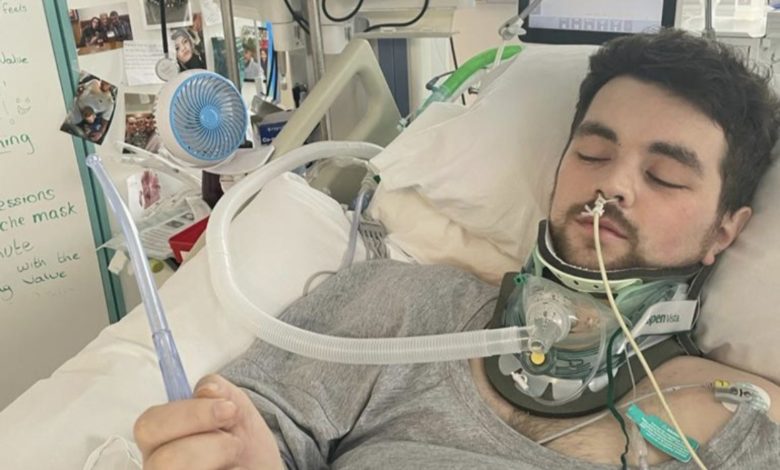
Disabled musician JOHKES is calling for better NHS training on autonomic dysreflexia after he says hospital staff described his medical emergency as a headache and left him for hours without specific treatment.
Autonomic dysreflexia (AD) can cause a sudden, dangerous rise in blood pressure in people with spinal cord injuries. JOHKES says he and the attending paramedic explained the condition, but his hospital notes later recorded his reason for attending as a headache.
He is now asking people to support his petition for better training and awareness of autonomic dysreflexia.
“It Wasn’t Just a Headache”: JOHKES’s Hospital Experience
Disability Horizons recently featured JOHKES, sharing his music and the story behind his work. Not long afterwards, he contacted us about a frightening experience in hospital.
He had been experiencing repeated episodes of autonomic dysreflexia and followed his emergency care plan.
“I was experiencing repeated episodes of autonomic dysreflexia, one after another. Under my care plan, if I’ve needed my GTN spray three times, I have to go to hospital because of how dangerous AD can become.
“Thankfully, the paramedic who came out to me actually knew what autonomic dysreflexia was, so I was lucky there.
“When we arrived at hospital, he was trying to explain to the staff exactly what was happening and how serious it was. But they kept referring to it as a headache.
“It wasn’t just a headache. It was autonomic dysreflexia, which can be life-threatening.”
JOHKES says staff eventually indicated that they understood. However, what he later read in his hospital notes left him concerned.
“Eventually, they said they understood what we were explaining, but when I looked at my hospital notes afterwards, it still said I’d attended because of a headache.
“That’s what really bothered me. A headache and autonomic dysreflexia are two completely different things in terms of seriousness, yet I felt like they were treating it as though it was nothing.”
A severe headache can be a symptom of AD. The concern is whether the underlying medical emergency is recognised and assessed, rather than only the symptom being recorded.
JOHKES Says He Waited Hours Without Specific AD Treatment
Although staff eventually said they understood, JOHKES says this was not reflected in his notes or followed by specific treatment for AD.
“I was left in a hospital bay for hours without receiving any specific treatment for the AD.”
He suspects that a bladder washout earlier that day may have triggered the episodes, although the cause was not confirmed.
“A district nurse had performed a bladder washout, but instead of allowing the fluid to go in gradually, she’d squeezed it in.
“We suspect this may have caused bladder spasms, which could have been triggering my AD.
“Because of my spinal cord injury, I can’t actually feel what’s happening in my bladder in the normal way. So when something is wrong, sometimes the only warning my body can give me is autonomic dysreflexia.
“Thankfully, the episodes eventually stopped on their own. We believe my bladder may have settled down, but we can’t say for certain that was the cause.
“I was extremely lucky that things didn’t get worse.”
What Is Autonomic Dysreflexia?
Autonomic dysreflexia is a potentially life-threatening condition that mainly affects people with spinal cord injuries at or above the T6 level of the spinal cord.
It occurs when the autonomic nervous system reacts to a stimulus below the level of the injury, causing a sudden rise in blood pressure. The person may not be able to feel the problem in the usual way.
Common triggers include:
- An overfull bladder or blocked catheter
- Bladder spasms or other urinary problems
- Constipation or bowel problems
- Pressure injuries or skin irritation
- Tight clothing
Symptoms can include a sudden, pounding headache, sweating, flushing, changes in heart rate, goosebumps and blurred vision. A dangerous rise in blood pressure can also occur without an obvious headache.
Untreated AD can lead to serious complications, including seizures, stroke and death.
Suspected autonomic dysreflexia is a medical emergency. Follow your individual emergency care plan. If the trigger cannot be identified or resolved, or symptoms persist, call 999 for emergency medical help.
GTN spray, which JOHKES mentions, is prescribed for some people as part of an individual AD treatment plan. His instruction to attend hospital after using it three times is specific to his care plan, not general advice. Use prescribed medication only as directed by your own clinical team.
Further information is available from the Spinal Injuries Association and the Royal National Orthopaedic Hospital.
Why Bladder Care Can Become Urgent
Bladder distension is a common trigger of autonomic dysreflexia. A blocked catheter or an overfilled drainage bag can prevent urine draining properly, allowing the bladder to become too full.
JOHKES says his recent hospital experience was not the first time he had struggled to explain why he needed prompt help.
“One example was when I urgently needed help emptying my leg bag.
“A full bladder can trigger autonomic dysreflexia, so I was trying to explain how urgent it was that somebody helped me.
“I could hear the urgency in my own voice, and I made it clear that if my bladder wasn’t emptied soon, I could end up experiencing AD.
“Despite explaining that, I was still left waiting.
“It’s incredibly frustrating because I’m not asking for something to be done urgently just for the sake of it. I’m asking because I know what can happen to my body if it isn’t dealt with.”
His account highlights why a task that appears routine may need urgent attention for someone at risk of AD.
Why This Matters to Me
My wife Clare also experiences autonomic dysreflexia, so JOHKES’s concerns struck a chord with me. Over the years, I’ve been shocked by how many healthcare professionals I’ve spoken to who have little or no knowledge of AD.
JOHKES had the support of a paramedic who understood the condition. Even then, he says he was left for hours without specific treatment.
What happens when someone arrives alone, has difficulty communicating or is too unwell to explain their medical history?
What JOHKES Wants to Change
JOHKES wants healthcare staff to recognise autonomic dysreflexia and understand how urgently they need to respond. He explained that his campaign is about the fear of the condition itself and the fear of not being understood when seeking help.
“I don’t want people like me to have to be scared of two things.
“The first is autonomic dysreflexia itself, because experiencing it can be absolutely terrifying.
“But the second is being frightened that the healthcare professionals looking after you might not understand what’s happening.
“Hospitals are supposed to be places where you feel safe. You put your life in the hands of the people caring for you because you trust that they’ll know what to do.
“And when you’ve got a spinal cord injury, that trust is incredibly important.
“When my AD gets really bad, sometimes I struggle to even talk properly. Imagine being in that situation, knowing something potentially life-threatening is happening to your body, and having to find the strength to explain to somebody what AD is and why they need to act.
“You shouldn’t have to do that.”
NHS guidance already describes how AD should be recognised and managed. His account raises questions about whether that knowledge is reaching staff outside specialist services, how individual emergency care plans are used and how patients’ concerns are recorded.
Other People Have Shared Similar Concerns
Since starting his petition, JOHKES says he has heard from other people with spinal cord injuries who recognise the problems he describes.
“There have been discussions in Facebook groups where other people have expressed exactly the same concerns and frustrations that I have.
“I’ve also spoken about it with a girl I follow on TikTok who’s experienced similar problems herself.
“It’s upsetting that so many people can relate, but it also reinforces why I feel this petition is so important.”
We don’t know how widespread this problem is across the NHS, but these accounts suggest JOHKES’s experience may be part of a wider issue.
Support JOHKES’s Autonomic Dysreflexia Petition
JOHKES is asking people to support his campaign for better hospital staff training and awareness.
Sign and share JOHKES’s petition for better autonomic dysreflexia training.
“I want healthcare staff to be properly trained in autonomic dysreflexia, to recognise the symptoms, understand how serious it is and know exactly what action to take.
“Not just vaguely know what it is, but genuinely understand the urgency.
“I don’t want somebody else to experience what I did, especially if their situation ends up being worse.
“Nobody with a spinal cord injury should feel unsafe asking for medical help.”
Frequently Asked Questions About Autonomic Dysreflexia
What is autonomic dysreflexia?
Autonomic dysreflexia (AD) is a potentially life-threatening condition that causes a sudden rise in blood pressure. It mainly affects people with spinal cord injuries at or above the sixth thoracic vertebra (T6). It requires urgent recognition and appropriate treatment.
What are the warning signs of autonomic dysreflexia?
Common symptoms include a sudden pounding headache, sweating, flushing, changes in heart rate, goosebumps and blurred vision. Some people may have dangerously high blood pressure without an obvious headache. Symptoms vary between individuals.
Can a blocked catheter or full bladder cause autonomic dysreflexia?
Yes. Bladder distension, a blocked catheter or problems with urine drainage are common triggers. For someone at risk of AD, a full bladder may become a medical emergency requiring prompt attention.
What should hospital staff do if someone has autonomic dysreflexia?
Staff should recognise suspected AD as a medical emergency, promptly assess blood pressure, follow appropriate clinical guidance and investigate possible triggers. They should also consult the patient’s emergency care plan and seek specialist advice when necessary.
Why is JOHKES campaigning for better NHS training?
JOHKES says hospital staff failed to recognise the seriousness of his autonomic dysreflexia and left him without specific treatment for hours. His petition calls for better training so healthcare professionals can identify AD and respond appropriately.
How can I support JOHKES’s autonomic dysreflexia petition?
You can support his campaign by signing and sharing his petition for better hospital awareness and training. Sharing information about AD may also help more people recognise the condition and understand why urgent treatment matters.
