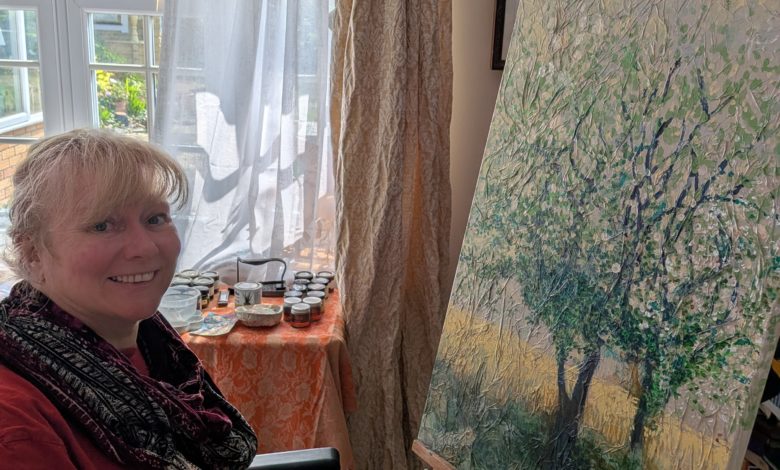
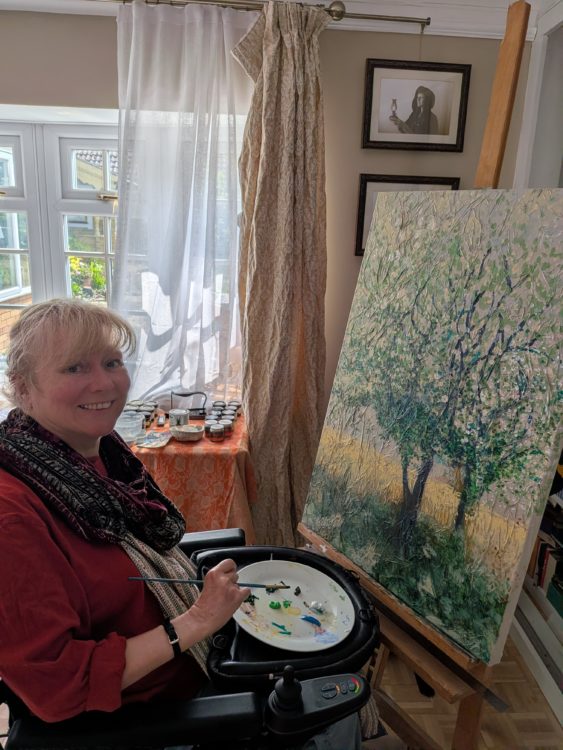
My wife Clare has an incomplete C4/C5 spinal cord injury, so much of what this article discusses is familiar to our family. Her injury has affected many aspects of our lives, but an injury classification alone doesn’t describe the life someone will have. Clare is an artist and product designer, we have two children, and we have travelled widely as a family.
We also have first-hand experience of the financial and legal side of spinal cord injury. Clare received an insurance settlement in the UK, which has provided important financial security and support, but managing a settlement intended to meet needs over many years brings its own complexities. Our experience was under the UK system; the compensation, insurance and legal information in the article below relates primarily to the United States. – Duncan Edwards, Editor, Disability Horizons
Incomplete Spinal Cord Injury: Key Takeaways
| Key point | What it means |
|---|---|
| Incomplete spinal cord injury retains some neurological function | A person may retain sensation, movement or both below the level of injury. The amount of function varies considerably between people. |
| ASIA grades do not describe everyday life on their own | Two people with the same ASIA classification can have very different mobility, pain, fatigue, personal assistance and accessibility needs. |
| Mobility can change from day to day | Some people use different combinations of walking aids and wheelchairs depending on distance, fatigue, pain, terrain and other factors. |
| Incomplete injuries can affect more than movement | Bladder and bowel function, pain, blood pressure, temperature regulation, sexual function and fatigue can also be affected. |
| Most neurological recovery happens relatively early | Recovery is often greatest during the first six months, although changes can continue more slowly after this. |
| Long-term costs can be substantial | Medical care, personal assistance, accessible housing, equipment, vehicle adaptations and changes to employment can create costs over many years. |
| Legal claims need evidence of real-world impact | An ASIA grade is only part of the picture. Rehabilitation records, life care plans, employment evidence and records of support needs may also be relevant. |
The National Spinal Cord Injury Statistical Center puts the annual incidence of traumatic spinal cord injury at roughly 54 cases per million people, or about 18,421 new cases a year.
A spinal cord injury can have immediate consequences for work, household finances and family responsibilities. In the first few weeks after an accident, people may be dealing with medical decisions, insurance calls and rehabilitation planning while still learning what terms such as “incomplete spinal cord injury” mean in practice. Pomona spinal cord injury lawyer Christian Amendt has described this period as distressing for both the injured person and their family.
When a person experiences a spinal cord injury, it can be grouped depending on severity. The severity classifications for spinal cord injuries are either complete or incomplete.
An incomplete spinal cord injury occurs when the spinal cord is damaged but still retains some ability to transmit signals between the brain and the body.
People with incomplete spinal cord injury can still have movement or bodily sensation below the affected part. The degree of these retained movements or sensations varies. The long-term consequences are different. Examples are changes in bladder or bowel function, mobility and the level of assistance or equipment someone may need.
What Is an Incomplete Spinal Cord Injury?
Incomplete spinal cord injury is referred to as “incomplete” for the simple reason that some motor, sensory, or both functions still work in the region below the injury. This is the classification system designed around the American Spinal Injury Association (ASIA) that healthcare professionals typically use.
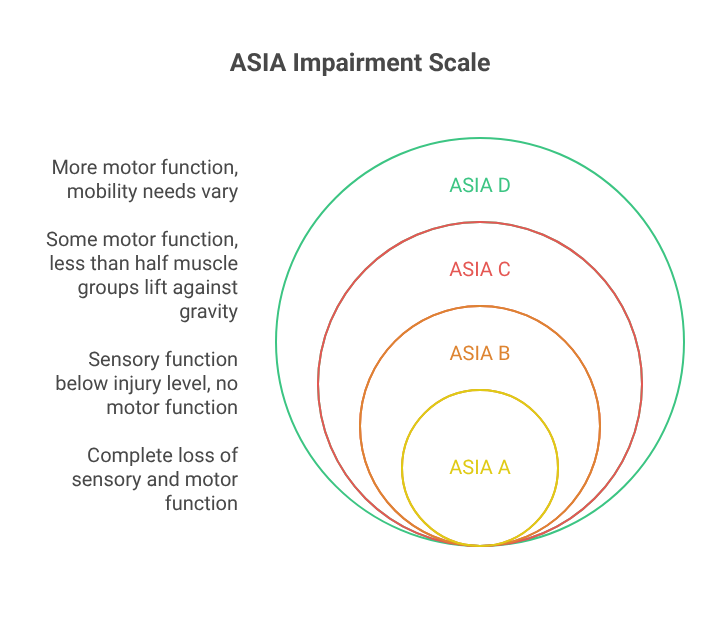
ASIA B means sensory function remains below the injury level, but no motor function does. ASIA C means some motor function survives, but fewer than half of the important muscle groups can lift against gravity, a real physical disability despite the absence of total paralysis.
People classified as ASIA D retain more motor function, although their mobility and support needs can still vary considerably.
The line between “complete” and “incomplete” often comes down to a small, specific area: the S4-S5 sacral segments, which govern sensation around the saddle region and bowel and bladder control. According to the American Spinal Injury Association’s own classification standards, a complete injury (ASIA A) means no sensory or motor function survives at all in this area. If a person retains even faint sensation here, with no movement anywhere else in the body, they are still classified as incomplete. This is a frequent point of dispute in legal claims, since it means someone who cannot walk or use their hands might still carry an “incomplete” diagnosis, which insurers can use to argue the injury is less severe than it functionally is.
Incomplete Spinal Cord Injury Symptoms and Physical Effects
The physical effects of an incomplete injury vary enormously depending on where the trauma occurred and how much neurological function survived it. Because the spinal cord isn’t fully severed, the damage is frequently asymmetrical, leaving one side of the body noticeably weaker or less sensitive than the other, a pattern that rarely shows up in complete injuries. A legal explanation of what are the consequences of an incomplete spinal cord injury also discusses why these less immediately visible differences can become relevant when an insurer is assessing someone’s support needs and functional limitations.
Incomplete injuries in the cervical spine commonly affect all four limbs to varying degrees. Cervical injuries at C5 through C7 may allow some arm movement while eliminating fine motor control in the hands. Thoracic-level injuries tend to affect trunk stability and leg function while leaving arms functional.
Many incomplete injuries also produce neuropathic pain, a chronic, often burning or electric sensation caused by disrupted nerve signalling. A 2025 meta-analysis of 24 studies covering more than 6,300 patients found a pooled prevalence of around 57 percent, and the federally funded Model Systems Knowledge Translation Center describes patients feeling pain in areas where ordinary sensation is faint or absent.
Spinal cord injuries can also affect functions that aren’t under voluntary control, including blood pressure regulation, bladder and bowel function, sexual function, temperature regulation and breathing. Which functions are affected, and to what degree, varies between people.
Some people with incomplete spinal cord injuries develop neurogenic bladder and may use catheterisation as part of their bladder management. Bowel dysfunction can also require an individual routine or bowel programme.
Rehabilitation for incomplete injuries increasingly includes functional electrical stimulation, or FES, which uses controlled electrical pulses to activate muscles the brain can no longer fully signal on its own. Clinical research on FES in spinal cord injury has found that FES-assisted gait training and cycling programmes can improve walking speed, muscle strength and functional independence, even in cases with severe motor loss. For people classified as ASIA C or D, it won’t reverse the underlying injury, but it’s one of the more evidence-backed tools available for maintaining or regaining function.
Living with an incomplete spinal cord injury
Most of what gets written about incomplete spinal cord injury treats the person as a set of deficits to be measured and priced: which muscles fire, which don’t, what it’s worth in a settlement. What tends to get left out is what the actual day looks like once the paperwork, the ASIA grading and the insurance calls are done.
Lived experience: a wheelchair user’s account
On the r/spinalcordinjuries forum, one user with an incomplete injury described what “incomplete” actually feels like in practice, rather than on a chart:
Incomplete is a mix of unpredictable symptoms and sensations—or the absence of them… On a good day I can leave the house, spend a few hours in the wheelchair with my kids, and aside from accessibility and bathroom challenges, things go well. On a bad day, even sitting up and having a half-hour Zoom chat feels overwhelming. Will I be able to feed myself and use the bathroom today? Who can say!”
She went on to describe the parts of incomplete injury that rarely make it into a medical file: “severe bathroom problems, gastroparesis, tachycardia, extreme fatigue after exertion or stress, heat intolerance, constant headaches, visual disturbances, and vertigo.” As she put it, she’d trade some of her leg movement for a settled autonomic system and no more vertigo, “but that’s the hand we’re dealt.” You can read the full thread and replies on Reddit, where several other people with incomplete injuries describe the same day-to-day unpredictability.
That fluctuation is the part a purely clinical description struggles to capture. Someone with an ASIA C or D injury might walk short distances with a stick around their own kitchen, use forearm crutches at work, and switch to a wheelchair for a shopping trip or a bad pain day, sometimes all in the same 24 hours. None of that is inconsistency or exaggeration; it’s what incomplete injury actually looks like once fatigue, spasticity, temperature and how much they did yesterday all get factored in.
Daily Life With an Incomplete Spinal Cord Injury
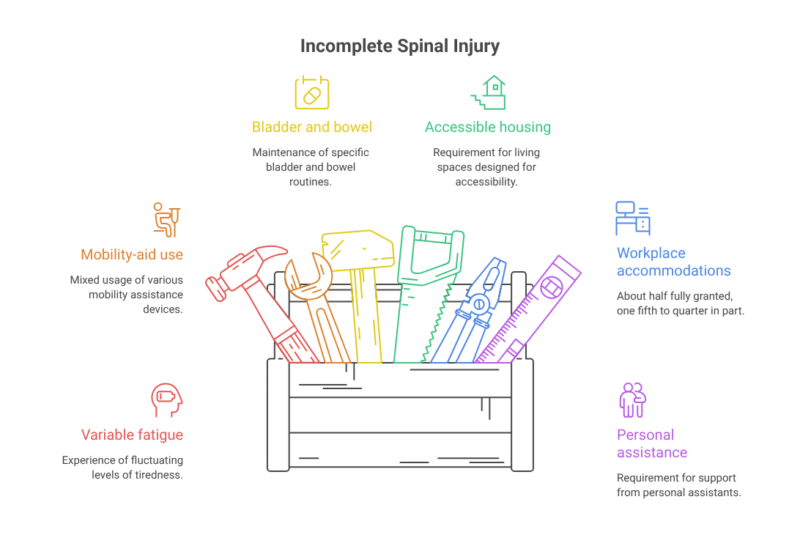
Several practical realities sit underneath the ASIA grading system:
- Variable fatigue. Compensating for muscles affected by the injury can require considerably more energy, and many people describe needing to “budget” exertion across the day rather than push through it. An idea some people explain as spoon theory.
- Mixed mobility-aid use. A cane, crutches, walker and wheelchair are often all part of the same person’s kit, chosen according to distance, terrain, pain levels and how the day is going rather than used in a fixed hierarchy.
- Bladder and bowel routines. Neurogenic bladder and bowel dysfunction are common after incomplete injury and often mean scheduled catheterisation or bowel programmes that have to be planned around, not squeezed in.
- Accessible housing. Finding a home with features such as step-free access, sufficient circulation space and an accessible bathroom can be difficult. Where someone lives can therefore affect independence alongside their impairment and support needs.
- Workplace accommodations. Research on workplace adustment requests finds that only about half are fully granted, with another fifth to a quarter granted only in part, which matters for someone whose function on a keyboard, say, might be strong in the morning and gone by mid-afternoon.
- Personal assistance. Support needs, like mobility, aren’t fixed; some people need help with transfers or personal care on bad days and manage independently on good ones.
Rethinking “somewhere in between”
This is also why framing recovery as a line between “walking with assistance” and “using a wheelchair” undersells what’s actually going on. A wheelchair isn’t a fallback position on a spectrum of failure to walk; for many people with incomplete spinal cord injuries it’s the tool that gives them the most reliable independence, especially on days when walking would mean exhausting themselves just to cross a room.
The more useful question isn’t where someone sits between “walking” and “wheelchair.” It’s what combination of mobility aids, personal assistance, workplace flexibility and home adaptations lets them get through their day with the least friction, and that combination can look completely different for the same person from one week to the next.
Incomplete Spinal Cord Injury Costs and Long-Term Expenses
The word “incomplete” can lead people with spinal cord injuries and their families to underestimate the potential long-term costs.
The National Spinal Cord Injury Statistical Center puts first-year expenses at $460,224 in 2024 dollars for someone who stays motor-functional at any level, and $55,900 for each year after that. Incomplete injuries that land in the tetraplegia or paraplegia range run far higher, from $687,262 to $1,410,163 in the first year alone.
For a 25-year-old in the motor functional category, estimated lifetime cost lands at $2,090,344 discounted at 2 percent. The tetraplegia categories, which take in incomplete injuries graded B and C, run from $4.57 million to $6.26 million at the same age.
Those figures don’t include lost earning capacity, home modifications, vehicle adaptations, the cost of attendant care, or the worth of relationships and activities the injury permanently changed.
What a fully developed claim is worth turns on the degree of functional loss, the injured person’s age and the strength of the liability case, which is why two people with the same ASIA grade can land in very different places.
When recovery happens, and why timing matters
Most of the neurological recovery that occurs after an incomplete spinal cord injury happens early. Research on motor recovery patterns shows the bulk of it takes place within the first six months post-injury, continuing at a much slower pace through the second year and rarely progressing meaningfully after that. Conversion from a complete to a motor incomplete classification is uncommon and front-loaded: studies report it happening in roughly 8.8 percent of cases between the initial exam and the one-year mark, dropping to as little as 2.1 percent between years one and five.
General recovery patterns can become relevant when future improvement is disputed in a claim, although an individual’s prognosis needs to be assessed using their own clinical evidence. A life care plan produced later in rehabilitation may be based on a clearer picture of someone’s long-term function and support needs than one prepared during the acute stage.
Why Incomplete Spinal Cord Injury Claims Can Be Complicated
Incomplete spinal cord injury claims can involve disagreements over how much further recovery is likely and what level of long-term support will be needed. Preserved movement or sensation does not necessarily show how independently someone can carry out everyday activities or what assistance they may need.
The National Spinal Cord Injury Statistical Center reports that less than one percent of people experience complete neurological recovery by hospital discharge. Documenting changes in function, treatment and support needs over time can therefore be important when the long-term effects of an injury are being assessed in a legal claim.
These claims often rely on ASIA classification records, a life care plan estimating future medical costs, vocational expert testimony on lost earning capacity, and neuropsychological evaluations when pain, fatigue, or cognitive issues affect daily functioning.
Insurance companies may assess these claims using their own medical evidence and projections of future costs, which can differ from those provided by the injured person’s clinical, vocational and care specialists. This makes detailed evidence about day-to-day function, support needs and likely future costs particularly important.
An ASIA grade is only one part of that evidence. Medical records, rehabilitation assessments, a life care plan, vocational evidence and records of home or personal assistance needs can help show how an incomplete spinal cord injury affects someone’s life over time. The full picture may include mobility, pain, fatigue, bladder and bowel management, accessible housing, personal assistance, employment and other ongoing support needs.
Incomplete Spinal Cord Injury FAQs
What is an incomplete spinal cord injury?
An incomplete spinal cord injury means the spinal cord has been damaged but some sensory or motor function remains below the level of injury. The amount and type of retained function can vary greatly between people.
What is the difference between complete and incomplete spinal cord injury?
A complete spinal cord injury is classified as having no preserved sensory or motor function in the S4-S5 sacral segments. An incomplete injury retains some sensory or motor function below the injury, including sacral function used in the ASIA classification system.
Can someone with an incomplete spinal cord injury walk?
Some people can walk short or longer distances, while others use wheelchairs or a combination of mobility aids. Walking ability can also change with fatigue, pain, spasticity, temperature and the demands of the day.
What do ASIA C and ASIA D mean?
ASIA C and ASIA D are motor-incomplete spinal cord injury classifications. ASIA C means some motor function remains below the injury level, with fewer than half of key muscles meeting the stronger grading threshold. ASIA D means at least half of those key muscles meet that threshold.
Can an incomplete spinal cord injury affect bladder and bowel function?
Yes. An incomplete spinal cord injury can affect bladder and bowel control. Some people use catheterisation, scheduled bowel routines or other forms of support depending on how their injury affects these functions.
Does an incomplete spinal cord injury cause pain and fatigue?
It can. Neuropathic pain, muscle effort, spasticity and autonomic changes may contribute to pain or fatigue. The pattern and severity differ between people and can change from one day to another.
How long does recovery take after an incomplete spinal cord injury?
Neurological recovery is often fastest during the first six months after injury, with slower changes possible after that. Individual outcomes vary, so a person’s prognosis needs to be based on their own clinical evidence rather than general statistics alone.
Why can an incomplete spinal cord injury claim be complicated?
Preserved movement or sensation does not necessarily show how independently someone can manage everyday activities. Legal claims may need evidence covering mobility, personal assistance, pain, fatigue, employment, housing, future care and other long-term needs.
Does using a wheelchair mean recovery has failed?
No. A wheelchair can provide reliable mobility, conserve energy and reduce barriers that make walking impractical or exhausting. Some people with incomplete spinal cord injuries use a wheelchair alongside walking aids, depending on the situation.

