Best Cars for People With Mobility Issues in the UK: A 2026 Buyer’s Guide for Disabled Drivers and Passengers

The best cars for people with mobility issues make everyday access easier, whether that means a better seat height for transfers, wide-opening doors, space for a wheelchair or mobility scooter, or compatibility with driving adaptations. This 2026 UK guide looks at the cars, measurements and access features worth checking before you choose.
This article was written in collaboration with Carplus finance, a broker that helps customers compare HP and PCP offers. Before choosing any finance option, check the APR, total amount repayable and ownership terms.
There is no single car that works best for every disabled driver or passenger. Someone who transfers from a wheelchair may need a car seat at roughly the same height as their wheelchair. Another person might prioritise a low boot lip because they lift a folding wheelchair into the car. A mobility scooter user could need a much larger boot and a hoist.
We’ve been looking for a replacement car ourselves, and one thing that has struck us is how different the choice feels compared with years ago. There seem to be many more WAVs and accessible vehicles designed around one wheelchair user plus a partner or carer, rather than the larger family vehicles we used to see. I don’t know whether that reflects changes in the Motability and used-WAV markets, but it has made finding something suitable for our extended family surprisingly difficult. – Duncan Edwards, Disability Horizons Editor
These are practical considerations for a large number of people. The UK Government’s Family Resources Survey for 2024–25 recorded 16.7 million disabled people, equivalent to one in four people in the UK.
Car design can remove some access barriers and create others. A high SUV may reduce the need to bend down for one driver but leave another person with an awkward upward transfer from their wheelchair. A large boot capacity on a specification sheet is not much help if the opening is the wrong shape for the equipment you need to carry. Two themes run through this guide as a result: seat height alone doesn’t determine accessibility, and specifications on paper don’t guarantee a fit in practice — both are worth testing with your own body and equipment before you buy.
This guide looks at specific cars available in the UK in 2026, as well as wheelchair and mobility scooter storage, driving adaptations, Wheelchair Accessible Vehicles (WAVs), Motability and what to test before placing an order.
Best Cars for People With Mobility Issues: Key Takeaways
| Access need | Cars or vehicle types to consider |
|---|---|
| Easier entry and exit | Nissan Qashqai and cars with a seat height and door opening suited to your transfer |
| Large boot | Kia Sportage |
| More passenger and cabin space | Skoda Kodiaq |
| Wheelchair or mobility equipment space | Volkswagen Caddy Maxi or a suitable WAV |
| Electric driving | Skoda Enyaq |
| Driving adaptations | Automatic cars compatible with the controls you require |
| Travelling while seated in a wheelchair | A suitable Wheelchair Accessible Vehicle (WAV) |
Treat these as starting points rather than a definitive shopping list. The exact trim can affect seat adjustment, powered tailgates and other useful features, and Motability availability and Advance Payments can also change during the year.
What Makes a Car Accessible or Suitable?
A car does not become accessible simply because it is large or has a high driving position. The useful measurements are often surprisingly specific: how far the door opens, the height of the seat from the ground, the height of the sill and the dimensions of the boot opening.
The Research Institute for Disabled Consumers (RiDC) has accessibility information for more than 1,700 vehicles, including measurements for seat heights, headroom, door openings and boots, plus whether a standard wheelchair fits inside. That level of detail matters because two cars that look similar from outside can be quite different to get into or load.
After years of travelling with a wheelchair, our preference is to keep access equipment as mechanically simple as we can. If a straightforward manual folding ramp will do the job, we’d usually choose that over a powered ramp or a system that lowers and raises the vehicle. Every extra motor and mechanism is another potential failure point. If the wheelchair user cannot get into or out of the vehicle because of a fault you can wait many hours for an engineer. And of course it always seems to happen at the worst possible time! – Duncan Edwards
Seat height and easier transfers
For a wheelchair user who transfers sideways into the driver’s or passenger seat, the difference between wheelchair seat height and car seat height can make a noticeable difference. RiDC recommends looking for a car seat that is as close as possible to the height of the wheelchair when transferring.
Other disabled people may prefer a higher seat because getting down into a low hatchback and standing up again is difficult; someone of short stature may have the opposite problem with a tall SUV. Powered seat adjustment can help by allowing the seat position to be changed before or after a transfer, and a swivel seat or transfer plate may be another option where a standard seat position creates a barrier.
The important test is the actual movement you make when getting into the car. Try it several times rather than relying on the description of a car as having an “easy access” or “high” seating position.
Wide-opening doors, sill height and door aperture
A wide door opening creates more room for legs, mobility equipment and assisted transfers, but the shape of the opening matters too. Look at the height of the door sill, available headroom and how far the door actually opens — RiDC measures these because they affect access for both drivers and passengers.
One measurement is easy to miss at a dealership: the space required beside the vehicle. A door that opens very widely is useful only if you have enough room to use it, so try the car in a parking space if possible and think about where you regularly park. Accessible bays can help, but you cannot assume every destination will have one available.
Boot space for wheelchairs and mobility scooters
Boot capacity in litres is useful for comparing cars, but it does not answer the most important question: will your equipment actually fit? Check the width and height of the opening, the narrowest part of the boot floor, the depth with the rear seats upright and the height of the boot lip — an awkward lip can make lifting a wheelchair considerably harder even with plenty of space behind it.
RiDC uses a standard unfolded wheelchair measuring 1,200mm long and 700mm wide for its checks, and records whether folded and unfolded wheelchairs fit with the rear seats upright or folded. Your own chair may be quite different, particularly a powered wheelchair, rigid-frame chair or specialist seating, and mobility scooters vary even more. Measure your own equipment and, ideally, take it with you to try loading it into the actual vehicle.
This is a common frustration in disabled drivers’ own accounts. On Reddit’s r/CarTalkUK, a man searching for a replacement for his ageing Toyota Yaris explained why he’d ruled out SUVs despite dealership advice to the contrary: “During my last visit to the dealership, they were quite persistent in claiming that SUVs were the ideal choice for fitting the chair. I found myself repeatedly stating that I wasn’t interested in that option.” Several respondents pointed him toward van-derived cars like the VW Caddy Maxi and Citroën Berlingo instead — echoing this guide’s own distinction between SUVs and MPVs for equipment space. (r/CarTalkUK)
Real-world experience backs this up. On the r/CarTalkUK forum, one user shopping for a wheelchair-accessible car for his wife described test-driving a Toyota C-HR Hybrid and finding the space didn’t behave as the spec sheet implied: “I was taken aback to discover that I had to fold down the back seats to accommodate my wheelchair, as I had anticipated that there would be more room available. It’s a useful illustration of why quoted boot capacity doesn’t tell you whether your own wheelchair will fit with the passenger seats still available. (r/CarTalkUK)
If lifting rather than available space is the main barrier, a wheelchair or mobility scooter hoist may help; the weight of the equipment, shape of the boot and compatibility of the hoist then become part of choosing the car.
Automatic transmission and driving controls
An automatic transmission removes the need to operate a clutch pedal and can work with adaptations such as hand controls and left-foot accelerator systems.
Check whether you can comfortably reach the indicators, lights, gear selector, parking brake and other controls from your normal driving position. Modern touchscreens deserve particular attention: moving commonly used functions onto a screen is not necessarily an accessibility improvement, and physical switches can be easier to locate and operate without looking away from the road.
Keyless entry, push-button starting, powered seats and an automatic tailgate can reduce repeated gripping, reaching or pulling. Which features matter depends on the barriers you encounter. If you need driving adaptations, choose the car and adaptation together rather than buying a vehicle first and assuming the required controls can be added later.
If you use PAs or carers who may need to drive your car, I’d strongly recommend thinking about them before choosing between manual and automatic. Over the years, we’ve found that quite a few younger people or people who have moved here to work as carers from overseas, who might otherwise have been able to drive for us either only drive automatics or aren’t confident driving a manual. That can become a real barrier when you depend on other people to drive. We’ve also found insurance can be more complicated when you own the car privately and need to add different PAs or carers. Motability can make this easier because its insurance includes named drivers, although there are eligibility rules. For us, who can actually drive the vehicle is now part of deciding whether a car is accessible and practical. – Duncan Edwards
Passenger comfort and cabin space
Accessibility matters just as much for passengers. Check passenger-side door opening, sill height, headroom, legroom and seat adjustment rather than concentrating solely on the driver’s position.
Cabin space becomes particularly important when mobility equipment travels with several people. A large boot may look impressive until part of the rear seat has to be folded to accommodate a wheelchair, leaving fewer usable passenger seats. Think about an ordinary journey rather than an empty-car test: if two adults, two children, a wheelchair and luggage regularly travel together, see whether that combination actually fits.
“One thing we’ve found when looking for a new car is that the number of passenger seats doesn’t tell you whether those seats are actually comfortable. Our old Kia Sedona has four generous passenger seats as well as space for a wheelchair user, which has been really useful when we’re taking older relatives out with us. Some of the newer WAVs and van-based vehicles we’ve looked at technically have enough seats, but the seats in the back can feel much more basic. If you regularly travel with extended family, I’d recommend actually sitting in every seat rather than just checking how many passengers the vehicle can carry.”
— Duncan Edwards
RiDC’s accessibility database allows disabled drivers and passengers to compare specific dimensions before visiting a dealership, which can help narrow down a long list of possible cars.
Best Easy-Access Cars for Disabled Drivers and Passengers in 2026
The cars below solve different access problems. The Nissan Qashqai is a strong all-round choice, the Skoda Kodiaq offers considerably more room, the Volkswagen Caddy Maxi makes sense when bulky mobility equipment is the priority, and the Skoda Enyaq is worth considering if you want to move to an electric car.
Do not treat these as a ranking where number one must be better than number five — a car that works brilliantly for somebody who walks with sticks may be completely unsuitable for someone transferring sideways from a wheelchair. Check the exact model and trim you are considering, since seat design, wheel size, suspension and equipment can differ between versions.
Nissan Qashqai – Best for Everyday Accessibility
The Nissan Qashqai is one of the strongest starting points if you want a family-sized car without moving up to a particularly large SUV or MPV.
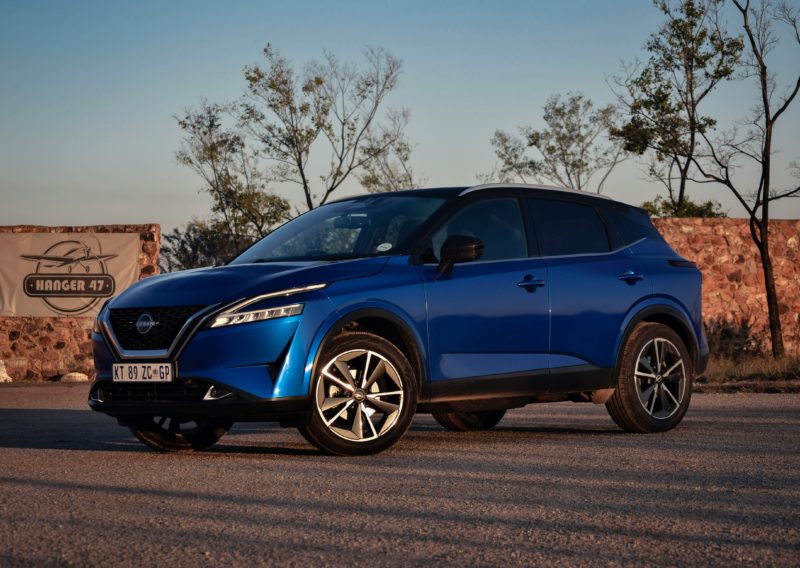
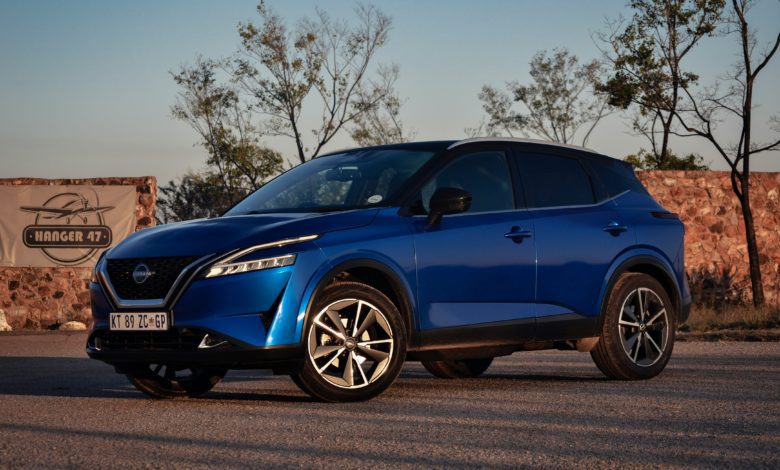
Motability’s July 2026 expert selection names the Qashqai as its top car for accessibility. The reasons are practical: clear access to the front seats, rear doors that open almost 90 degrees and a wide, regularly shaped boot with 504 litres of capacity on the highlighted version.
RiDC tested a 2025 Qashqai 1.3 DIG-T MHEV and recorded the driver’s seat edge at between 679mm and 730mm from the ground depending on adjustment, and the passenger side between 674mm and 728mm — figures worth comparing against your own wheelchair seat height before a test drive.
The front doors opened to 74 degrees. The boot was 1,040mm wide at the narrowest part of the floor, with a 1,115mm-wide opening at the bottom, and the boot floor measured 865mm front to back with the rear seats upright. A standard folded wheelchair fitted with the rear seats left in place; an unfolded wheelchair required the rear seats to be folded. The boot sill sat at 770mm from the ground, so anyone who lifts a wheelchair into the boot should try that movement rather than judging the car on capacity alone.
The Qashqai still provides physical controls for a number of commonly used functions, which can make everyday use simpler for drivers who find touchscreens hard to operate accurately. Powertrain choices include Nissan’s e-Power hybrid, an automatic that may suit drivers requiring hand controls or pedal adaptations.
For many disabled drivers and passengers, the Qashqai deserves a place near the top of the test-drive list because it combines manageable overall dimensions with useful door access and enough space for everyday mobility equipment.
Skoda Kodiaq – Best for Passenger and Cabin Space
The Skoda Kodiaq moves things up a size and is particularly worth looking at if you need to carry mobility equipment without giving up most of the passenger space.
The RAC’s 2026 review of cars for carers and people with limited mobility highlights the Kodiaq’s wide-opening doors, raised seating position and large interior. The five-seat version offers up to 910 litres of boot space, considerably more than many medium-sized SUVs.
On a 2024 Kodiaq 2.0 TDI Selection, RiDC recorded the driver’s seat edge adjustable between 674mm and 744mm from the ground, and the passenger seat between 689mm and 759mm — a range that could suit two people with different access requirements, though trying the seats yourself is the only reliable test.
Space is the Kodiaq’s biggest attraction. Previous RiDC testing found enough room for its standard unfolded wheelchair with the rear seats upright, unusual enough to make it particularly interesting for wheelchair users who don’t want to dismantle or fold their chair every journey. The large cabin can also suit families or carers travelling with a disabled passenger, avoiding the usual trade-off between carrying equipment and keeping all the passenger seats.
The trade-off is size: the Kodiaq is a large SUV, which affects parking and may put the seat higher than comfortable for some wheelchair transfers. If space is a priority, though, it’s one of the cars worth trying with your own wheelchair, walking aid or other equipment on board.
Kia Sportage – Best for Boot Space in a Medium-Sized SUV
The Kia Sportage sits between a compact crossover and the much larger Kodiaq, making it interesting if you want good luggage space without a particularly long car.
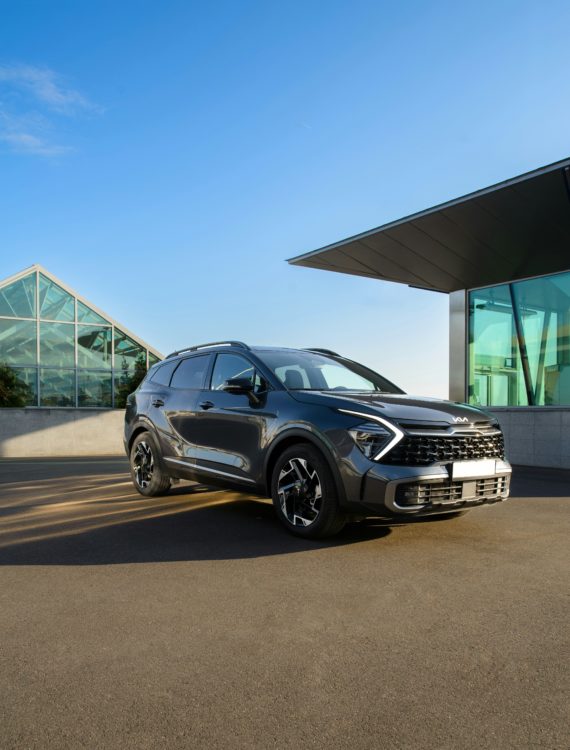
Motability’s July 2026 expert picks name the Sportage as the top choice for boot space, and it also appears near the top of the RAC’s 2026 Motability shortlist. It has a broad cabin and useful luggage space, and some versions add powered seat adjustment, an electric tailgate and parking cameras — convenience features that can remove repeated physical tasks, such as reaching up to pull down a heavy boot lid or wrestling stiff manual seat levers.
The Sportage is available with petrol and different hybrid powertrains, so a move to a fully electric vehicle isn’t required.
Its SUV height still needs testing carefully: a raised seat can reduce bending for someone who walks into the vehicle but make a wheelchair transfer harder if the seat sits well above the wheelchair cushion. Take your equipment when viewing one and try loading it yourself if that’s what you’ll do at home.
Volkswagen Caddy Maxi – Best for Space and Mobility Equipment
If a conventional SUV still leaves you short of room, the Volkswagen Caddy Maxi takes a different approach. Its van-derived shape creates a tall, square interior that can be much more practical for bulky wheelchairs, mobility scooters and other equipment, and its sliding rear passenger doors can help where opening a conventional rear door fully would be difficult.
Older RiDC measurements of the Caddy Maxi Life show why this type of vehicle works well for mobility equipment: a boot opening more than 1.1 metres high and a boot floor around 1.12 metres wide at its narrowest point. A folded wheelchair fitted with the rear seats in place, while both folded and unfolded wheelchairs could be accommodated when more seats were folded. Those figures are from an older generation, so check the current version’s measurements before ordering.
The Caddy Maxi can also form the base for a Wheelchair Accessible Vehicle conversion, which is different from buying a standard Caddy Maxi simply for its boot. In a standard car, a wheelchair user transfers into a vehicle seat and the wheelchair travels separately; in a passenger WAV conversion, the vehicle is altered so the user enters via a ramp or lift and travels while remaining seated in their wheelchair. Needing to carry a wheelchair doesn’t automatically mean you need a WAV: plenty of wheelchair users transfer into ordinary seats and just need storage space, while for others staying in the wheelchair is the accessible option (more on that distinction later).
For somebody transporting a larger wheelchair, scooter or several pieces of equipment, the Caddy Maxi’s shape can be more useful than the fashionable styling of an SUV.
We looked at a Volkswagen Caddy when searching for our next accessible car, and although I could see why it works well for wheelchair space, I really didn’t enjoy driving it. The model we tried felt slow, clunky and quite unresponsive compared with our much older Kia Sedona. That reminded me that practicality isn’t everything. If you’re going to drive the car regularly, you need to like driving it too. I’d always test-drive a WAV rather than choosing it purely because the wheelchair space and measurements look right on paper. – Duncan Edwards
Skoda Enyaq – Best Electric Car for Accessibility
The Skoda Enyaq is our starting point for disabled drivers and passengers who want a fully electric car but still need substantial passenger and wheelchair space.
Motability’s July 2026 expert selection names the Enyaq as its top electric-car choice. It has a 585-litre boot with the rear seats upright, rising to around 1,710 litres when folded, and its electric platform gives it a spacious cabin and relatively uncluttered floor with useful legroom.
As with any EV, accessibility does not stop at the car door. Think about where and how you will charge it: a home charger may be straightforward with private off-street parking, but the picture changes for someone who parks on the street or relies on public charging, where heavy cables, high kerbs, narrow bays, poorly positioned points and hard-to-reach screens can all create barriers.
Some Motability customers have described EV charging as an accessibility and cost barrier, particularly when they cannot charge at home and have to rely on public charging. Reviews on Motability’s Trustpilot page include concerns about public charging costs, charging infrastructure and the practicalities of charging while travelling.
That makes the Enyaq worth testing in two ways: as a car, looking at transfers, doors, seating and equipment; and as an EV, considering how charging will work on the journeys you actually make.
Budget-Friendly Alternatives Worth Considering
The five cars above are useful reference points, but cost may rule some out, and a larger vehicle can also mean higher fuel, insurance or leasing costs.
The RAC’s 2026 Motability shortlist also includes the MG HS, Vauxhall Mokka and Peugeot 2008, worth adding to your list if their Advance Payments or overall costs suit your budget better. Apply the same access checks rather than treating them as cheaper versions of the cars above: measure the seat, check the door opening and bring your mobility equipment. A lower price only helps if the vehicle still removes the barriers you need it to remove.
Best Cars for Wheelchair and Mobility Scooter Storage
Choosing a car for a wheelchair or mobility scooter is less about finding the biggest quoted boot and more about finding usable space — a deep boot with a narrow opening can be worse than a smaller, squarer one.
What boot dimensions should wheelchair users check?
Start with your wheelchair rather than the car brochure. Measure its height, width and length in the form you normally transport it — folded if it folds, or with wheels, footplates or cushion removed if that’s how it goes into the boot. Then compare those figures with the width of the boot at its narrowest point, the width and height of the boot opening, boot floor depth with the passenger seats in use, the height of the boot sill from the ground, and any lip between the sill and boot floor.
RiDC’s vehicle measurements go beyond the manufacturer’s quoted capacity to record the dimensions that actually affect wheelchair loading. Pay close attention to which seats must be folded — a wheelchair fitting into the car is not enough if doing so removes a passenger seat you need every day.
Can you fit a mobility scooter in a standard car?
Many folding and dismantling scooters can be carried in an ordinary car, but boot size is only part of the calculation. Check the weight of the heaviest component you’ll need to lift: a scooter that separates into four sections may technically fit into a small boot, yet loading those sections several times a day could still be inaccessible.
A boot hoist can remove some of that lifting, provided it’s compatible with the vehicle and there’s enough space for the lifting arm to move the scooter through the boot opening. Secure mobility equipment properly for travel too — it should not be left loose where it could move during sudden braking or a collision.
When is a larger MPV or WAV more practical than an SUV?
An SUV is not automatically the most practical answer for mobility equipment. Its exterior may be large while wheel arches, a sloping roof or a high boot floor reduce the usable space inside. MPVs and van-derived cars such as the Caddy Maxi tend to have squarer interiors, providing more usable height for powered wheelchairs and scooters, with sliding doors as a further advantage in tight parking spaces.
If the wheelchair user needs to remain seated during the journey, move beyond standard-car boot measurements and look at Wheelchair Accessible Vehicles, assessed for entry height, ramp angle, internal headroom, wheelchair position and restraint system. Choose around the person and their equipment, not around a particular type of car.
What Car Adaptations Can Help Disabled Drivers?
The right adaptation can make a much wider range of cars accessible, but think about the vehicle and the adaptation together — buying a car first and checking compatibility afterwards can leave you with fewer choices.
Motability groups adaptations into three broad areas: those that help you drive, those that help you get in and out, and those that help you store mobility equipment, ranging from a simple steering aid to substantial changes to the controls or seating. If you’re unsure what would work, an assessment through a Driving Mobility centre can help identify suitable controls and features, and an adaptation installer can check compatibility with the make, model and trim you’re considering.
Hand controls and electronic accelerators
Hand controls allow drivers to operate the accelerator and brake without using the standard pedals. A common arrangement uses a push-pull control, where one movement operates the accelerator and another applies the brake. Electronic accelerator systems offer other ways to control acceleration, and different designs suit different ranges of movement, strength and dexterity — there is no single setup right for every driver. These systems are normally paired with an automatic car, since there’s no clutch pedal to operate.
Look beyond whether the main accelerator and brake controls fit — you still need comfortable access to indicators, lights, windscreen wipers and other frequently used controls.
Left-foot accelerators and pedal adaptations
A left-foot accelerator lets someone who cannot comfortably operate the standard accelerator with their right foot drive using their left. Pedal extensions may help drivers who struggle to reach the standard pedals from a safe seating position.
These adaptations need professional assessment and fitting, since space around the pedals differs between cars and the seating position must work with the controls without compromising safe operation.
Steering aids and remote secondary controls
A steering aid makes it possible to steer using one hand, with different grips available including ball and other specialist designs. This can be combined with remote secondary controls that let functions such as indicators, headlights and wipers be operated without moving a hand away from the steering aid.
The layout of the original dashboard still matters, so sit in your normal driving position and check what you can comfortably see and reach before choosing a car.
Swivel seats and transfer plates
Sometimes the main barrier is getting between a wheelchair and the car seat rather than driving the vehicle. A transfer plate provides a temporary surface between the two, reducing the gap to cross during a transfer, then folds away. A swivel seat instead rotates the car seat towards the doorway; some systems can also move the seat farther outside the vehicle.
Vehicle dimensions matter here too: there needs to be enough room for the seat or transfer equipment to move through the doorway, so an adaptation that works well in one car may not fit another.
Wheelchair and scooter hoists
A boot hoist can lift a wheelchair or mobility scooter into the vehicle, reducing or removing the need to lift heavy equipment by hand. Before choosing one, check the weight of the equipment, the lifting capacity of the hoist and the space available inside the car. The boot opening also needs to be large enough for the equipment to pass through while suspended — a car with impressive capacity can still be unsuitable if the opening is narrow or the roofline interferes with the lifting movement.
Some scooters need to be dismantled before loading, others can be lifted whole. Try the complete loading process before committing to a vehicle where possible.
Getting In and Out More Easily: What Actually Helps
If getting into or out of your current car is difficult, identifying exactly where the barrier occurs makes choosing its replacement much easier. Is the seat too low to stand up from comfortably, or too high for a sideways wheelchair transfer? Does the door restrict your legs? Is there a wide sill to cross, or nowhere useful to hold while moving between standing and sitting? Those details are more informative than a car advertised as having a high seating position.
Check the seat-to-ground height
A higher car seat can reduce the bending needed to sit down and stand up, which is one reason crossovers and SUVs suit people who find low cars difficult. For wheelchair transfers, though, higher doesn’t necessarily mean easier: a seat substantially higher than your wheelchair cushion may mean transferring upwards, while one that’s much lower can create the opposite problem getting back into the chair.
Look at the whole doorway
Seat height tells only part of the story. Check the width and height of the door aperture, how far the door opens, and whether the shape of the dashboard or door creates an obstruction. Try moving your legs into and out of the footwell, check the sill you need to cross, and if you use a transfer board, see whether it can be positioned correctly. If somebody assists with transfers, bring them to the test drive too, so they have room to help without twisting around a partly opened door.
Test access in a realistic parking space
A showroom gives you far more space around a vehicle than a supermarket, workplace or residential car park normally would. Ask whether you can test access with another vehicle parked alongside, especially useful if you need to position a wheelchair next to the driver’s or passenger door — wide-opening doors help only when there’s enough room to open them.
Try powered seats and other access features yourself
Powered seat adjustment helps if manual levers are difficult to reach or operate, and memory settings can return a seat to your preferred position after someone else has used the car. Other features worth trying include keyless entry, powered tailgates and grab handles — but don’t assume an electrically operated feature is automatically more accessible. Check where its buttons sit, how much pressure they need and whether you can reach them from your normal position.
Should You Choose an SUV, MPV or Small Car?
Vehicle type can help narrow the search, but none of these categories is inherently more accessible; each solves different problems.
| Body type | Best suited to | Watch out for |
|---|---|---|
| SUV | Higher seating positions, less bending for some drivers and passengers, useful family space | Seats can be too high for some wheelchair transfers; high boot floors can make equipment harder to lift |
| MPV or van-derived car | Wheelchairs, mobility scooters, bulky equipment and travelling with several passengers | Larger dimensions can make parking and manoeuvring more difficult |
| Small car | Town driving, easier parking and potentially lower purchase and running costs | Smaller door openings and boots can restrict access or equipment storage |
SUVs for higher seating positions
Cars such as the Nissan Qashqai, Kia Sportage and Skoda Kodiaq show why SUVs can work well for some disabled drivers, combining raised seating with practical passenger and luggage space, and can suit someone who finds lowering into a conventional hatchback uncomfortable.
The drawback is the same feature: height. Measure the difference between your wheelchair cushion and the car seat rather than assuming an SUV will automatically be easier.
MPVs and van-derived cars for equipment space
MPVs and van-derived passenger cars often use their exterior dimensions more efficiently than SUVs, with roofs that stay higher towards the rear and squarer load areas — a considerable difference when carrying powered wheelchairs or mobility scooters. Sliding doors are a further advantage in tight parking spaces.
The Volkswagen Caddy Maxi is a good example, and similar thinking applies to vehicles such as the Citroën Berlingo and Ford Grand Tourneo Connect.
Small cars for town driving and parking
A large accessible vehicle is unnecessary if a smaller car already meets your requirements. Small cars cost less to run and are easier to position in narrow streets and parking spaces, which may matter more than an enormous boot if you don’t carry bulky equipment.
Check the front door opening carefully, since smaller cars can have low rooflines, narrower apertures and less space around the driver’s seat. The useful question isn’t which body type is best for disabled people generally, but which layout removes the barriers you personally encounter without adding unnecessary size or expense.
When Is a Wheelchair Accessible Vehicle Better Than a Standard Car?
A Wheelchair Accessible Vehicle (WAV) is a vehicle converted so a wheelchair user can enter and travel while remaining seated in their wheelchair, making it fundamentally different from an ordinary car that simply has enough boot space to carry one.
A wheelchair user who transfers comfortably into a standard car seat may prefer an ordinary car with suitable access and storage. Someone who cannot transfer safely or comfortably may find a WAV removes that barrier completely. Motability’s July to September 2026 price list included more than 460 WAV options, so there’s considerably more choice than a single type of converted van.
Passenger WAVs
In a passenger WAV, the wheelchair user normally enters through the rear or side using a ramp or lift and travels in a designated wheelchair position, secured to the vehicle with an appropriate occupant restraint system.
The transition to a WAV is rarely instant. UK blogger and wheelchair user Jane, writing on Accessibility Reviews, described nearly two years between realising she could no longer get out of her Motability car and finally taking delivery of a converted vehicle. She used Motability’s “WAV Experience” loan scheme first — a week with a rear-entry Citroën Berlingo — and found travelling seated in the back “unsettling,” adding: “It does not feel great to me to sit in the back like a taxi passenger or a parcel! Plus, the visibility is really poor from there.” That test week led her to choose an “Upfront” conversion instead, where the wheelchair user sits beside the driver in the front passenger position. (Accessibility Reviews)
Vehicles commonly used as the basis for conversions include the Volkswagen Caddy Maxi, Citroën Berlingo, Ford Grand Tourneo Connect and larger vehicles such as the Ford Tourneo Custom. Don’t compare them only by base vehicle — different conversion companies can produce quite different layouts from the same model.
Drive-from-wheelchair WAVs
A drive-from-wheelchair vehicle allows a wheelchair user to enter and drive without transferring into a conventional driver’s seat. This is a much more substantial conversion, potentially including automated ramps or lifts, wheelchair docking systems and adapted steering, braking and accelerator controls. Some vehicles can also be configured so the wheelchair user travels in the front passenger position rather than the rear. A specialist assessment is particularly important here because the wheelchair, driving position and controls need to work as one system.
What should you check when choosing a WAV?
The ramp is one of the first things to try: check its angle as well as its width, since a ramp can meet the required dimensions but still be uncomfortable or difficult with your particular wheelchair. Check internal headroom throughout the route into the vehicle too — sitting comfortably once inside isn’t enough if your head comes close to the roof while entering.
Other points to test include ramp or lift operation, entrance width and height, wheelchair position inside the vehicle, visibility from that position, space for other passengers, wheelchair restraints and occupant seatbelts, ride comfort, and room for bags and other equipment.
Visibility deserves particular attention, since some conversions place the wheelchair passenger farther back or lower than conventional passengers — sit in the travelling position and see what the journey actually looks and feels like. Ride comfort can also differ, so a test journey over roads you regularly use is worthwhile.
Standard car or WAV: which is more suitable?
If you can transfer comfortably and safely, a standard car may give you a wider choice of vehicles and make everyday parking easier, but you’ll then need suitable space to carry your wheelchair. If transferring creates a significant barrier, a WAV lets you enter and travel in your wheelchair instead. Neither option represents greater independence — what matters is whether the vehicle works for the person using it.
Try the actual conversion with your own wheelchair before ordering, from approaching the vehicle and using the ramp through to securing the wheelchair and getting back out at the end of the journey. That tells you far more than the base vehicle’s specification.
How to Choose a Car for Your Mobility and Access Needs: Test-Drive Checklist
A test drive should include much more than driving around the block. For a disabled driver or passenger, the useful test starts before the engine is switched on: take the wheelchair, mobility scooter, walking aid or other equipment you normally travel with, and bring anyone who regularly helps with transfers or loading. Try to recreate an ordinary journey rather than testing the car empty — if you usually travel with two passengers, a wheelchair and several bags, check whether all of that fits at once.
- Can you open and close the door comfortably?
- Is there enough room beside the vehicle for your usual transfer?
- Is the car seat at a suitable height?
- Can you move your legs through the doorway and into the footwell?
- Can you reach the steering wheel, pedals and controls from a comfortable position?
- Can the seat be adjusted into the position you need?
- Can your wheelchair, mobility scooter or walking aid fit with the required passenger seats still available?
- Can you load and unload your equipment without difficult or unsafe lifting?
- Is the boot lip at a manageable height?
- Will the adaptations you require fit this particular model?
- If you are considering an electric car, can you access and use the charging arrangements available to you?
Don’t rely solely on a salesperson demonstrating how equipment could fit — if you’ll normally load your own wheelchair, try doing it yourself, and if somebody else will load it, ask them to try. If possible, test the car more than once before ordering, since access can feel different when you’re tired, wearing a coat or using a normal parking space rather than a spacious showroom.
Motability, Costs and Financial Help
The Motability Scheme allows eligible disabled people to exchange a qualifying mobility allowance for a lease on a car, Wheelchair Accessible Vehicle, scooter or powered wheelchair.
For cars, the lease package includes insurance, servicing and routine maintenance, breakdown assistance and tyre and windscreen repair or replacement. Up to three named drivers can be included, so the disabled customer doesn’t have to be the person who drives — useful where a disabled child uses the Scheme or a disabled adult usually travels as a passenger.
Some cars are available without an Advance Payment, while others require an upfront payment on top of the mobility allowance, and the amount varies considerably between vehicles. Motability normally updates its car prices every three months, so treat any 2026 price quoted here as a snapshot rather than a permanent price.
From April 2026, new Motability customers are also being enrolled in DriveSmart, a telematics system that monitors driving frequency, timing and journey length, alongside a new 10,000-mile annual cap with excess mileage charged at 25p per mile from July 2026. For disabled drivers whose journeys — frequent hospital appointments, long trips to specialist services, late-night travel — don’t match “average” driving patterns, this is worth understanding before signing a lease.
How do Motability adaptations affect the cost?
Many adaptations are available through the Scheme, and some can be supplied at no additional cost when fitted at the start of a new lease; others require payment, particularly for more complex equipment or installation.
Discuss adaptations before placing the order, so the installer can check compatibility and you understand the total cost rather than discovering later that a different car or extra equipment is needed. Motability also offers grants in some circumstances for customers who need financial help towards a suitable vehicle, adaptations or driving lessons, with eligibility depending on individual circumstances and available funding.
Can disabled drivers get VAT relief on car adaptations?
VAT relief may apply to certain disability-related vehicle adaptations, and in some circumstances a substantially and permanently adapted vehicle for a wheelchair user can also qualify. The rules are specific, so don’t assume disability alone makes a purchase VAT-free — check the current HMRC requirements and confirm eligibility with the supplier before ordering or paying for adaptations.
What should you budget for when buying privately?
Motability isn’t the right route for everyone: some people aren’t eligible, while others prefer to own their vehicle or buy used. If buying privately, calculate the cost of the car and the accessibility changes together, including the purchase price or finance payments, insurance, servicing and repairs, driving adaptations, transfer equipment, a wheelchair or scooter hoist, installation and removal costs, and fuel or electric charging.
One thing we’ve learned from owning accessible vehicles is to think about servicing and repairs before you buy. Ask yourself: is there a local garage that can work on this vehicle, or will you be tied to a main dealer or specialist? Dealership repairs can be considerably more expensive, and having to travel to a specialist adds another complication when the vehicle is something you rely on every day. We now consider local repair and servicing options as part of choosing a car, rather than waiting until something goes wrong.” Duncan Edwards
Used adapted cars can sometimes reduce the overall cost, particularly if the existing adaptations match what you need, but they need the same careful assessment as a new vehicle, including whether the adaptations remain suitable and can be maintained.
Something we’ve learned from owning an adapted vehicle is that it’s worth asking about VAT relief when you have repairs or maintenance done. If your vehicle qualified for zero-rated VAT when it was originally supplied, eligible repair and maintenance work can also be zero-rated. We’ve found that smaller garages aren’t always familiar with this because they may not be asked about it very often, so you sometimes need to raise it yourself and provide the original paperwork. It’s worth checking rather than assuming the garage will know that your vehicle may qualify. – Duncan Edwards
HMRC says qualifying repair or maintenance can be zero-rated, but the rules depend on the vehicle or adaptation having been eligible for zero-rating when originally supplied. If you use a third-party garage, you may need to provide the original purchase invoice as evidence. It’s important to remember – this is not a refund scheme. The garage must not apply the VAT when they bill you.
Are the Best Motability Cars the Same as the Best Cars to Buy Privately?
There is plenty of overlap, but a good Motability car and a good privately purchased car aren’t necessarily the same thing.
On Motability, the current Advance Payment, available trim levels and whether your adaptations can be fitted through the Scheme all affect the decision. A private buyer can consider new and used vehicles outside the current Motability list and keep the car for as long as they choose, but is responsible for insurance, servicing and repairs. A used car can sometimes give access to a higher specification for the same budget — features such as powered seats and an electric tailgate may be particularly useful, so compare equipment rather than just age and mileage.
Adaptations complicate the comparison. If you spend a substantial amount adapting a privately owned car, think about how long you’ll keep it and whether the equipment can transfer to a replacement vehicle later. It’s also sensible to think ahead: if you already know a wheelchair, larger scooter or different driving controls are likely to be needed while you own the car, factor that in — but don’t buy a substantially larger or pricier vehicle solely because you might need it one day. Choose what works now while considering changes that are reasonably foreseeable.
Questions to Ask Before Buying a Car for Mobility Issues
Car specifications can quickly become distracting. Heated seats, infotainment screens and acceleration figures matter much less if getting through the driver’s door is difficult. Before making a final decision, bring the comparison back to the barriers you need the vehicle to remove.
- What specifically makes my current car difficult to use?
- Do I transfer from my wheelchair or travel while remaining seated in it?
- What mobility equipment normally travels with me?
- Can that equipment fit without removing passenger seats I regularly need?
- Who else normally travels in the vehicle?
- Which driving or transfer adaptations do I need?
- Has an adaptation specialist confirmed that those adaptations will fit this model?
- Can I get in and out comfortably in a normal parking space?
- Can I physically test the car with my own wheelchair or mobility scooter?
- Can I load and unload my equipment in the way I will need to at home?
- Are the controls comfortable to reach and operate?
- Could my access requirements reasonably change while I own or lease the vehicle?
- Can I afford the vehicle, adaptations and ongoing running costs?
Write down your non-negotiable requirements before visiting dealerships, separate from features that would simply be nice to have. Fitting a rigid-frame wheelchair into the boot without folding the rear seats might be essential, while a powered tailgate could be useful but not necessary — that distinction makes it easier to reject an unsuitable car even when you like other things about it.
The best car for mobility issues is the one that removes the particular barriers you face. That might be a Nissan Qashqai with suitable adaptations, a roomy Skoda Kodiaq, an electric Skoda Enyaq or a converted WAV. The badge matters far less than whether the vehicle works with your body, mobility equipment, passengers, journeys and budget.
Frequently Asked Questions About Cars for People With Mobility Issues
What is the best car for someone with limited mobility?
There is no single best model because access requirements differ. The Nissan Qashqai is a strong 2026 all-round option, the Skoda Kodiaq offers more cabin and luggage space, and a Volkswagen Caddy Maxi may suit someone carrying bulky mobility equipment. The best choice depends on seat height, door access, equipment storage and any adaptations you require.
Which cars are easiest for disabled people to get in and out of?
Cars with a suitable seat-to-ground height, wide door aperture, manageable sill and plenty of space beside the seat tend to be easier to access. The Nissan Qashqai is worth considering for its access characteristics, but a test transfer tells you more than choosing by body style alone.
What cars have the best boot space for a wheelchair?
The Skoda Kodiaq, Kia Sportage and Volkswagen Caddy Maxi are useful starting points. Look beyond boot capacity in litres and check the width and height of the opening, floor dimensions, loading lip and whether your own wheelchair fits with the seats upright.
What is the best car for carrying a mobility scooter?
A larger SUV, MPV or van-derived passenger car may provide enough room for a folding or dismantling scooter. The Volkswagen Caddy Maxi is particularly worth considering. Check the scooter’s dimensions and weight, and consider a boot hoist if lifting is a barrier.
Are SUVs easier for disabled people to get into?
They can be, but not for everyone. A higher seat reduces bending for someone who walks into the vehicle, while the same height may make an upward wheelchair transfer harder.
Can hand controls be fitted to any automatic car?
No. Hand controls can be fitted to many automatic vehicles, but compatibility depends on the car, the control system and the driver’s requirements. Speak to an adaptation specialist before ordering rather than assuming equipment can be fitted afterwards.
What is the difference between an adapted car and a WAV?
An adapted standard car might have hand controls, a steering aid, transfer equipment or a wheelchair hoist while occupants use conventional seats. A WAV is converted so a wheelchair user can enter and travel while remaining seated in their wheelchair, and some WAVs can also be configured for driving from a wheelchair.
What are the best Motability cars for 2026?
Useful models include the Nissan Qashqai for general accessibility, Kia Sportage for boot space, Skoda Kodiaq for passenger and equipment space, and Skoda Enyaq for drivers considering an electric car. Motability prices and available models change quarterly, so check the current price list before ordering.
Can you test a Motability car with your own wheelchair or mobility scooter?
Yes — ask the dealer to let you test the vehicle with the equipment you normally use, so you can check real boot space, loading height and passenger capacity rather than relying on brochure measurements. Discuss any required adaptations with the dealer and installer before ordering.
Are electric cars suitable for disabled drivers?
Yes, if the vehicle itself and the charging arrangements are accessible. Models such as the Skoda Enyaq provide useful cabin and luggage space. Before choosing an EV, check how you’ll handle charging cables, reach charging equipment and access public charging bays on the journeys you make.
