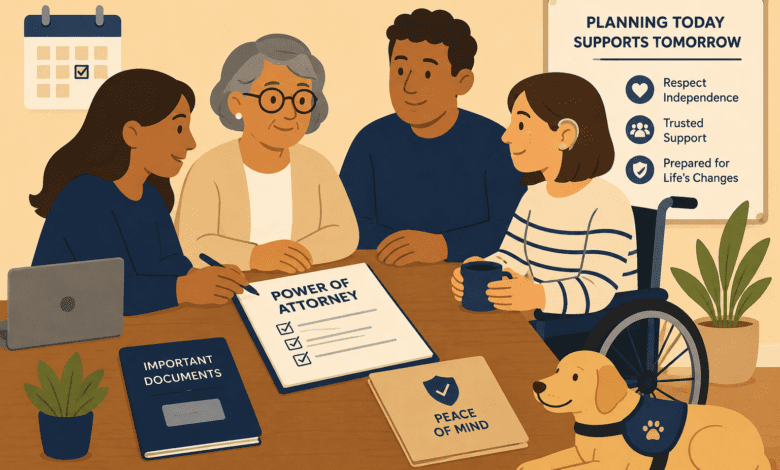
A parent’s health or communication needs can change quickly, but bills, prescriptions, hospital paperwork, and care arrangements rarely pause to catch up. Without legal authority in place, families can run into delays when trying to speak to banks, doctors, or care providers during urgent situations. A power of attorney allows support to be arranged in advance while keeping the older person’s preferences and independence central.
Set it up early, choose carefully, and get paperwork accepted before anything goes wrong. – Duncan Edwards – Editor
Some families only realise how strict privacy and verification systems can be after a hospital admission or sudden health change. Staff may be unable to discuss medication updates, discharge planning, or financial matters without formal permission already in place. Putting documents in order early can reduce stress later, especially when systems are inaccessible or difficult to navigate.
Key Takeaways About Setting Up Power of Attorney
| Topic | Main Point |
|---|---|
| Start early | It is easier to arrange paperwork while communication and decision-making are clear. |
| Choose carefully | The best attorney is usually someone reliable, organised, and calm under pressure. |
| Accessibility matters | Hospitals, banks, and online systems are not always easy for disabled people or older adults to use. |
| Legal authority has limits | A power of attorney should only be used within the agreed scope. |
| Prepare documents properly | Incorrect signatures or missing information can cause delays during emergencies. |
Start With a Calm Family Conversation
Many older adults worry that power of attorney means giving up control. In reality, it can simply allow trusted support during periods of illness, hospital treatment, fatigue, or communication difficulty. Some people choose very limited powers, while others prefer arrangements that only begin if support becomes necessary later.
People on reviews and forums often remark on how a home visit from a POA specialist helps. One said they “fully explained the process from beginning to end” and said it was “so much easier than I had anticipated,” especially because they struggled to get to a high‑street solicitor due to mobility issues.
Families who are unsure how legal authority works alongside everyday caregiving in USA, may find this guide on power of attorney for elderly parent useful before speaking with a solicitor, especially when memory changes or hospital appointments are already making communication harder.
Approaching the discussion early often gives everyone more time to ask questions without pressure from a medical emergency.
Confirm Capacity and Timing Early
Signing legal documents requires the parent to understand what authority is being granted and which decisions remain their own. That does not mean someone loses autonomy because they occasionally forget appointments or need support with paperwork.
Many disabled people and older adults experience fluctuating energy, memory, speech, or concentration. A difficult day does not automatically remove someone’s right to make decisions. Early planning simply gives families more flexibility if support needs increase later.
One adult child on a caregiving forum explained that they were advised to act “while Mum was still of sound mind,” because once confusion increased they would have needed a full court guardianship instead of a simpler POA.
Another carer shared that the best tip they received was to send the completed POA “to all banks, insurance accounts and doctors immediately when it is done,” because trying to register it for the first time after a crisis was “rough.”
When memory or communication difficulties increase, families may need additional legal support if paperwork has not already been arranged.
Some clinicians can document decision-making capacity during routine appointments if concerns arise later. This can help avoid unnecessary disputes or delays.
Choose the Right Person to Act
The best attorney is not always the oldest child or closest relative. Reliability matters more than family hierarchy. Someone who keeps clear records, communicates calmly, and respects boundaries is often a stronger choice.
Caregiving can become exhausting during long hospital stays or periods of unstable health. Naming a backup attorney can reduce pressure if the main person becomes ill, overwhelmed, or unavailable.
Joint arrangements sometimes work well, although requiring multiple signatures can slow down urgent decisions involving treatment consent, insurance paperwork, or financial transfers.
Understand the Different Types of Power of Attorney
Different documents cover different responsibilities.
A financial power of attorney can help someone manage bills, property, tax paperwork, or bank accounts if support becomes necessary.
A health and welfare version can cover treatment discussions, care planning, living arrangements, or communication with hospitals and care providers.
Some families discover too late that hospitals, banks, or insurance companies will not speak to relatives without formal paperwork already in place. This can become especially difficult during discharge planning or after sudden illness.
Accessibility Barriers Can Make Emergencies Harder
Many systems involved in care planning still create unnecessary barriers for disabled people and older adults.
Families may run into:
- telephone-only banking verification systems,
- online forms that do not work well with screen readers,
- long waits for accessible appointments,
- hospital communication problems for Deaf people,
- or inaccessible legal offices that are difficult to physically reach.
Having formal authority already arranged can sometimes reduce repeated verification checks and help families communicate more efficiently during stressful periods.
Prepare Information Before Legal Appointments
Bringing organised information to appointments can prevent delays and repeated paperwork.
Useful documents may include:
- legal names and addresses,
- contact details for attorneys and backup attorneys,
- bank and pension information,
- property details,
- GP and pharmacy contact information,
- existing wills or estate paperwork,
- photo identification.
Older documents can sometimes conflict with new arrangements, so legal advice may help clarify how everything fits together.
Sign and Store Documents Properly
Rules differ depending on location, but many documents require witnesses, notarisation, or both. Incorrect initials, outdated names, or missing signatures can cause serious delays later.
Hospitals, banks, and insurance providers may also have different rules about accepting copies or originals. Some institutions take days or weeks to process paperwork, so sharing documents before a crisis can save time later.
Many families keep scanned copies in a secure shared folder while storing originals somewhere accessible to trusted relatives.
Watch for Red Flags and Pressure From Others
Problems can arise when paperwork is rushed, signatures are incomplete, or family disagreements place pressure on the older person. Extra care may be needed after bereavement, hospital stays, strokes, or sudden health changes, when someone may already feel overwhelmed or exhausted.
Warning signs can include:
- someone attempting to isolate the parent from other relatives or friends,
- pressure to sign documents quickly,
- confusion about what authority is being granted,
- missing financial records,
- or an attorney using money for personal benefit.
Disabled people and older adults can also face barriers that make it harder to question decisions, especially when systems rely heavily on phone calls, complex paperwork, or inaccessible communication formats.
If there are concerns about coercion or financial abuse, an independent solicitor or advocacy service can help make sure the parent’s wishes remain central to any decisions being made.
Use Legal Authority Carefully
Power of attorney should only be used within the agreed limits and only when support is genuinely needed.
Many older adults continue managing daily routines independently for years while family members simply provide backup support for appointments, medication issues, or emergencies.
Clear communication and accurate records can help avoid misunderstandings about spending or decision-making.
What Families Often Wish They Had Done Earlier
- Discussed medical preferences before a hospital emergency.
- Checked whether banks accepted older paperwork formats.
- Organised passwords and account information safely.
- Added backup attorneys before caregiver burnout developed.
- Confirmed accessibility needs for legal and financial appointments.
Key Things to Remember When Arranging Power of Attorney
A well-prepared power of attorney arrangement can make medical treatment, financial management, and everyday support far less stressful during periods of illness or changing care needs. The paperwork itself matters, but so do the conversations behind it.
Early planning gives older adults more opportunity to express their preferences clearly while reducing avoidable pressure on families later. It can also help people deal with inaccessible systems more smoothly during already difficult moments.
Trusted information from organisations including the NHS, Age UK, and gov.uk can also help families understand mental capacity rules, legal responsibilities, and care planning options before problems become urgent.
Useful links
For UK readers, these guides explain how power of attorney works, what happens if one is not in place, and where to get help in accessible formats. These official and charity guides can help you understand your options, check what happens if no power of attorney is in place, and find support in accessible formats.
- Age UK: Power of attorney information guide – a plain-English guide to appointing someone to make decisions on your behalf, with large-print and audio versions available through Age UK’s advice line.
- Age UK: What happens if you do not have a power of attorney? – explains the practical risks of waiting too long, including extra delays and the need for more formal court processes later.
- Age Cymru: Power of Attorney – covers ordinary powers of attorney, Lasting Power of Attorney, and older Enduring Power of Attorney arrangements, and explains that you do not have to use a solicitor because the Office of the Public Guardian forms include guidance.
- GOV.UK: Make, register or end a lasting power of attorney – the official step-by-step guide to choosing an attorney, filling in the forms, registering the LPA, and understanding current fees and timescales.
- GOV.UK: Lasting power of attorney forms – official LPA forms and guidance, with alternative formats such as braille and audio available through the Office of the Public Guardian.
- Office of the Public Guardian – contact details for the public body that registers LPAs in England and Wales, including phone, email and Relay UK support.

Frequently Asked Questions About Power of Attorney
When should families arrange power of attorney?
It is usually easier to arrange power of attorney before a medical crisis or serious communication difficulties develop. Early planning gives older adults more control over decisions and reduces stress later.
Does power of attorney remove someone’s independence?
No. A power of attorney only allows another person to act within agreed limits. Many people continue managing most decisions independently while having support available if needed.
Can hospitals refuse to speak to family members without power of attorney?
Hospitals may limit what information they share without formal legal authority, particularly during treatment discussions or discharge planning.
What problems can happen if paperwork is delayed?
Families can face delays with banking, insurance, prescriptions, or hospital communication if legal authority has not already been arranged.
Are accessibility barriers an issue during legal planning?
Yes. Some disabled people and older adults face inaccessible online systems, telephone-only verification, communication barriers, or difficulty attending in-person appointments.

