Getting to Medical Appointments on Time When Transport Feels Like a Barrier
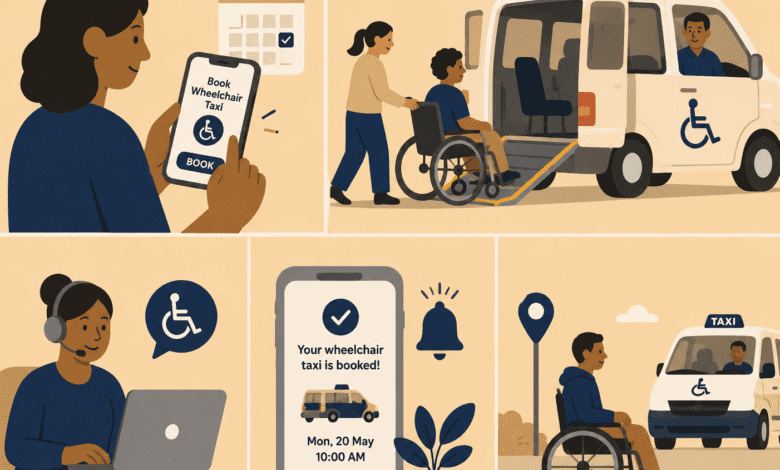
A missed medical appointment is not easy to replace. The next slot might be weeks away. Often months.
For wheelchair users, the risk starts before leaving home. The right transport has to arrive. The ramp has to work. The chair has to fit. The driver has to know how to secure it safely. Even WAV self-drivers or carers must plan for breakdowns or accessibility at hospitals.
Getting there on time matters. Not just for convenience. For health.
Why Wheelchair Accessible Transport Matters for Healthcare
Appointments run to tight schedules. Late arrivals lose slots. That happens even when the delay had nothing to do with the patient.
Standard taxis can fail wheelchair users in predictable ways. Wheelchair accessible taxis exist specifically to solve this. Not every area has enough of them.
Some journeys simply don’t happen. Not because of the patient. Because of the transport.
When transport fails, tests get delayed. Conditions go unmanaged. Pain, fatigue, a calendar already built around hospital visits. That gap does not stay small.
The latest available official figures show that 53.9% of licensed taxis were wheelchair accessible. Private hire vehicles sat at 2.2%. Not a small gap. Some areas have workable provision. Others do not.
Your Legal Rights When Booking
UK law protects disabled passengers using taxis and private hire vehicles. The Taxis and Private Hire Vehicles (Disabled Persons) 2022 Act tightened those duties considerably. Licensing authorities are expected to monitor compliance. Drivers have responsibilities around wheelchair users that go beyond simply showing up with a vehicle.
No surcharge for wheelchair use. That is the law.
Reasonable mobility assistance is part of the job. The only exception is a valid medical exemption from the licensing authority. Not a preference. An exemption.
Refusal after booking. Added charge. Vehicle suddenly unsuitable. Any of these happen, write it down on the spot. Vehicle registration. Driver name or badge number. Operator name. Time and date. What was said. Whether money was requested.
Report it to the local licensing authority. Usually the council that issued the licence. Check with them directly.
How to Find a Wheelchair Accessible Taxi
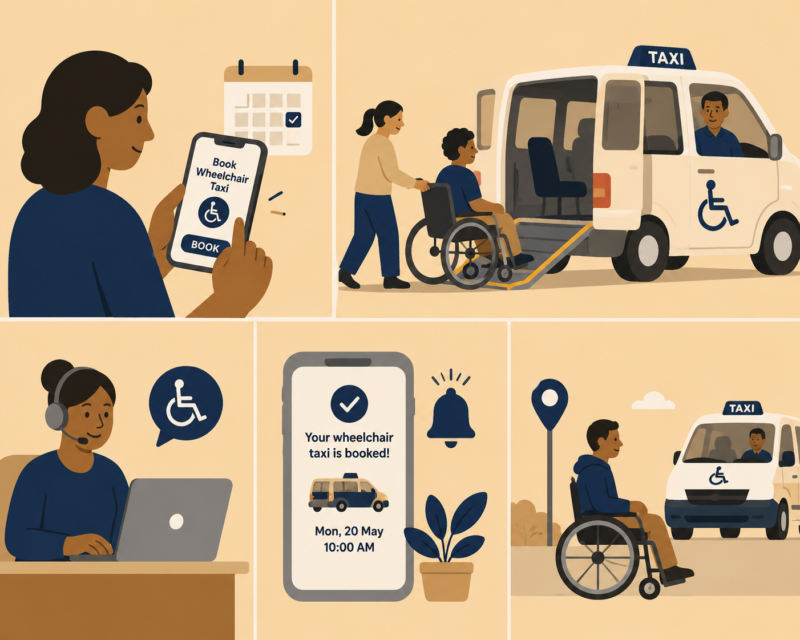
Local council first. Most licensing authorities publish approved operator lists online. When you need to find an accessible taxi for a medical appointment, confirm the basics before the booking is finalised. Ramp access. Restraints fitted. Enough internal space. A driver who has actually used the setup before.
Ask directly:
- Can this vehicle take my specific wheelchair?
- Will I stay in my chair during the journey?
- Is there a ramp or lift?
- Are restraints fitted?
- Is there any extra charge?
Vague answers are not good enough. Ask again. If still vague, use someone else.
NHS Patient Transport Services
NHS non-emergency patient transport exists for people whose medical or mobility situation makes standard transport unworkable.
Check early. Don’t wait until the week of the appointment.
Editor’s Note: We’ve used NHS hospital transport for my son Joe, who has Dravet syndrome and epilepsy. It’s often late, involves long multi-stop routes with hours of waiting, and feels overstretched despite staff doing their best. For us, seizure risks made it unreliable – we couldn’t wait around. Use as a last resort when private options aren’t viable.
Eligibility depends on medical need, mobility, and whether other transport is suitable. Call the hospital, clinic, or GP referral team. Ask what evidence is needed. Some services require clinician input.
Planning Ahead for Appointments
Book earlier than feels necessary. 48 hours works in some places. Rural areas, specialist clinics, busy periods. A week ahead is safer than 48 hours.
Boarding takes longer than people expect. So does securing the chair, finding the right hospital entrance, and getting from reception to the actual clinic. Build that time in deliberately.
Let the practice know about the transport situation before the day. Staff who already know can sometimes hold a slot if delays happen. Those hearing it for the first time after the appointment has passed cannot.
Keep a backup number. Transport fails. A second option doesn’t solve everything. It reduces the chance of being left with nothing.
What to Check Before You Travel
The day before, confirm the booking again. Is the vehicle still confirmed? Is it accessible? Does the driver know this is a medical appointment?
On the day, don’t rush boarding. A bad start travels with you for the rest of the journey.
The chair should be secured before the vehicle moves. Not after.
Something feels wrong? Say so. The journey doesn’t start until both the chair and the passenger are safe.
When Transport Still Goes Wrong
Planning reduces problems. It doesn’t eliminate them. A vehicle cancels. The wrong car shows up. A ramp fails. The appointment gets closer.
Three things to do:
- Call the clinic first. Say the problem is transport and disability-related.
- Call the operator. Ask for the fastest accessible replacement.
- Write down what happened. If refusal, surcharges, or poor treatment were involved, report it afterwards.
The Equality Act 2010 guidance for disabled taxi users sets out what licensing authorities are expected to do when complaints are made.
Getting There Matters
Knowing your rights helps. So does planning. Neither removes every barrier.
A missed appointment costs more than a morning. For many wheelchair users it means weeks of waiting, more stress, and longer gaps in care.
The journey should not be the hardest part of getting healthcare.