Mental Health, Wellbeing and Support For Disabled People
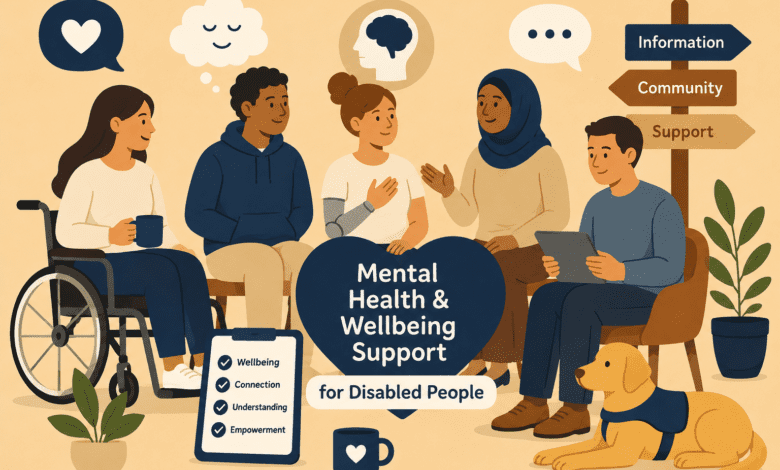
Mental Health and Wellbeing Support for Disabled People
Disabled people can face barriers that affect mental health and wellbeing, including social isolation, inaccessible services, discrimination, financial pressures, and difficulties accessing appropriate support. This page highlights a disability-focused wellbeing organisation and a trusted mental health information source that can help people find support, information, and practical guidance.
Key Takeaways: Mental Health Resources for Disabled People
| Resource | How it may help |
|---|---|
| Spokz People | Provides wellbeing support, programmes, and community-focused services for disabled people and their families. |
| National Institute of Mental Health | Offers evidence-based information about mental health conditions, treatments, research, and support options. |
| Who this page is for | Disabled people looking for information, wellbeing support, or a starting point for accessing mental health resources. |
Understanding Mental Health and Disability
Mental health is shaped by many factors, including relationships, housing, employment, finances, healthcare, and opportunities to participate in community life. For disabled people, these areas are often affected by barriers that non-disabled people may not encounter.
Long waits for services, inaccessible buildings, transport difficulties, social exclusion, and negative attitudes can all have an impact on wellbeing. Many disabled people also manage pain, fatigue, fluctuating conditions, or changing support needs alongside everyday responsibilities.
The Social Model of Disability reminds us that disability is not simply about an individual’s impairment. Many challenges arise because society is not designed to include everyone equally. Mental wellbeing support should recognise these realities and respond to the wider circumstances affecting people’s lives.
Why Disability-Aware Support Matters
Generic mental health services can be helpful, but some disabled people find that professionals do not always understand the practical realities of living in an inaccessible world.
Experiences such as losing independence because of poor access, struggling to secure suitable support, facing discrimination at work, or dealing with inaccessible healthcare systems can have a significant effect on emotional wellbeing.
Services that understand disability can provide a space where these issues are recognised rather than overlooked. This can help people discuss their experiences without needing to explain or justify the barriers they face.
Spokz People
Spokz People is a not-for-profit organisation focused on improving wellbeing for disabled people and their families.
The organisation offers programmes, resources, and community support covering topics such as confidence, resilience, body image, relationships, isolation, anxiety, depression, pain, and fatigue. Its work is centred on helping people develop wellbeing strategies while recognising the realities of disability.
Many disabled people value support that understands both emotional wellbeing and the impact of social barriers. Spokz People was created with this understanding at its core, making it a useful starting point for people looking for disability-aware wellbeing support.
National Institute of Mental Health
The National Institute of Mental Health (NIMH) provides information about mental health conditions, treatments, therapies, current research, and ways to access support.
Although it is not a disability-specific organisation, it offers a wide range of reliable information that can help people learn more about mental health, understand symptoms, and explore available treatment options.
For readers looking for trusted background information alongside disability-focused wellbeing support, it can be a useful additional resource.
Visit the National Institute of Mental Health
For families supporting a neurodivergent teenager
For families supporting a neurodivergent teenager, our latest resource on Avery’s House looks at how residential and outpatient treatment providers in the US are shifting towards neurodiversity-affirming care for ADHD and autism. It also explores the practical difference between a teen who is “lazy” and one whose behaviour reflects genuine neurological differences, alongside the accessibility gaps still worth watching for in clinical settings.
Finding the Right Support for You
There is no single approach that works for everyone. Some disabled people benefit from peer support and community connections, while others may prefer counselling, therapy, self-help resources, or a combination of different approaches.
The right support depends on individual circumstances, preferences, and goals. What matters most is finding services that listen to your experiences, respect your identity, and help you access the support you need.
Frequently Asked Questions
Can disability affect mental health?
Disability itself is not a mental health problem. However, barriers such as inaccessible services, discrimination, financial pressures, isolation, and difficulties accessing support can affect emotional wellbeing.
What is disability-aware mental health support?
Disability-aware support recognises the social and practical barriers disabled people face and takes these experiences into account when providing advice, counselling, or wellbeing services.
Where can disabled people find mental health support?
Support may be available through disability-focused organisations, peer support groups, counselling services, healthcare providers, and trusted mental health information resources.
Disclaimer
Please note that these organisations have no affiliation with Disability Horizons unless stated otherwise. They are listed because they may be useful to disabled people seeking mental health and wellbeing support. We recommend contacting providers directly to discuss whether their services are suitable for your individual circumstances.