By Liam Virgo
In 2016, when I was 13 years old, I was diagnosed with severe Functional Neurological Disorder (FND) after suddenly losing my ability to walk and talk.
For years, I was a teenager whose body had shut down. I was bedridden as a result of my condition and felt trapped inside my own body. My rehabilitation from severe FND has had many setbacks. But 10 years on from becoming disabled, I’m learning to live with my new normal.
This is what it has been like for me to enter my early twenties and adulthood after becoming disabled as a teenager.
What my life looks like with FND now
A typical week in my life today is a careful balance of physical recovery and advocacy work. I now raise awareness for the FND community, and what matters most to me is finding a sense of purpose on my own terms.
I travel, focus on my rehabilitation and work hard to raise awareness of FND. I want people to understand that my life now isn’t defined by suffering or a single medical timeline.
A good week for me isn’t necessarily a week entirely free of symptoms. With a fluctuating condition, that is rarely reality. A good week means I have managed my energy well enough to do the things I love and work towards my own rehabilitation goals, including learning to walk again.
It means maintaining as much control over my days as I can, even when my body doesn’t cooperate.
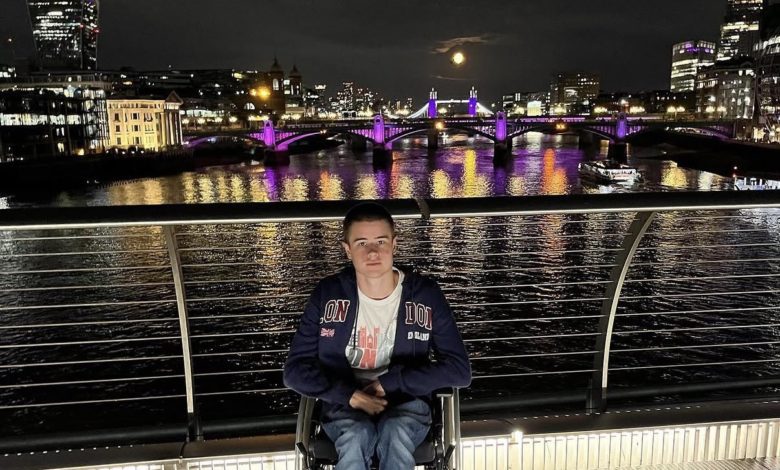
A big part of my life is travelling, especially to my favourite place, London.
Rethinking what independence means to me
When you are a teenager, you are often taught that independence means doing everything by yourself. There is less discussion about what it is like to develop a condition as a teenager and lose your independence at the exact time you are supposed to be finding it.
I lost much of my independence and freedom at 13. For a long time, I didn’t know what independence was.
Independence means something different to me now. It means having the choice, control and freedom to live my life, even if I use a different path to get there.
My mobility aids, the adjustments I make and the support network around me give me more freedom. They allow me to participate in life, travel and make my own decisions. Over the years, I’ve got through six different types of wheelchair, three toilet chairs, three posture chairs and various other pieces of equipment.
When my symptoms were at their most severe, wheelchair services said no wheelchair was suitable for me because my body couldn’t tolerate sitting in any form of equipment apart from my hospital bed.
Being bedbound felt like I had no freedom at all because I couldn’t even go in the back garden.
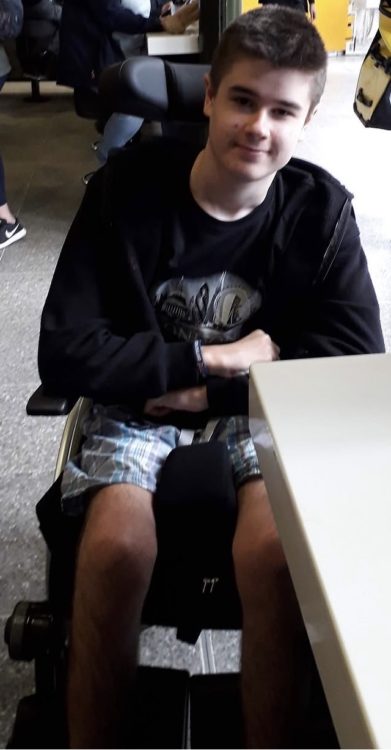
Now, just being able to sit in a wheelchair is a big achievement for me. Being a wheelchair user gives me access to things that I couldn’t do when I had to remain in bed. I no longer have the severe FND symptoms I once did, but I now live with moderate FND symptoms and still require help with certain things.
For me, real independence is about knowing my limits, using the things available to me and having control over the choices I make.
Moving from children’s to adult services
I found the transition between children’s and adult services quite difficult because, at one time, I had lots of professionals involved in my care and now I only have a couple.
Becoming an adult didn’t mean my need for support suddenly disappeared. Yet it felt as though some of that support reduced at the same time I was expected to become more independent. Children’s and adult services work differently. For young people who still need support, moving into adult services can feel like a big change rather than a smooth changeover.
I still needed support, but I had far fewer professionals involved in my care. That made the transition into adulthood feel more difficult, particularly when I was also trying to understand what independence could look like for me.
Because of my FND, I wasn’t well enough to return to education, so I lost touch with everyone from my past schools. Since sharing my story publicly, some school friends have got back in touch, which has meant a lot to me.
When you become disabled as a teenager, you can miss some of the routes into adulthood that your friends might be taking, such as education, work and going out independently. I spent those years dealing with FND while people I had known at school were moving on with their lives.
One of the things I wish was different for young people who develop a disability is better care, more consistent support and more opportunities. Developing a disability at a young age can change many parts of your life, yet in my experience the aftercare hasn’t always reflected the scale of that change.
Learning to see myself as an adult
For a long time, I haven’t seen myself as an adult. I didn’t like that word because, to me, being an adult sounded like a lot to take on.
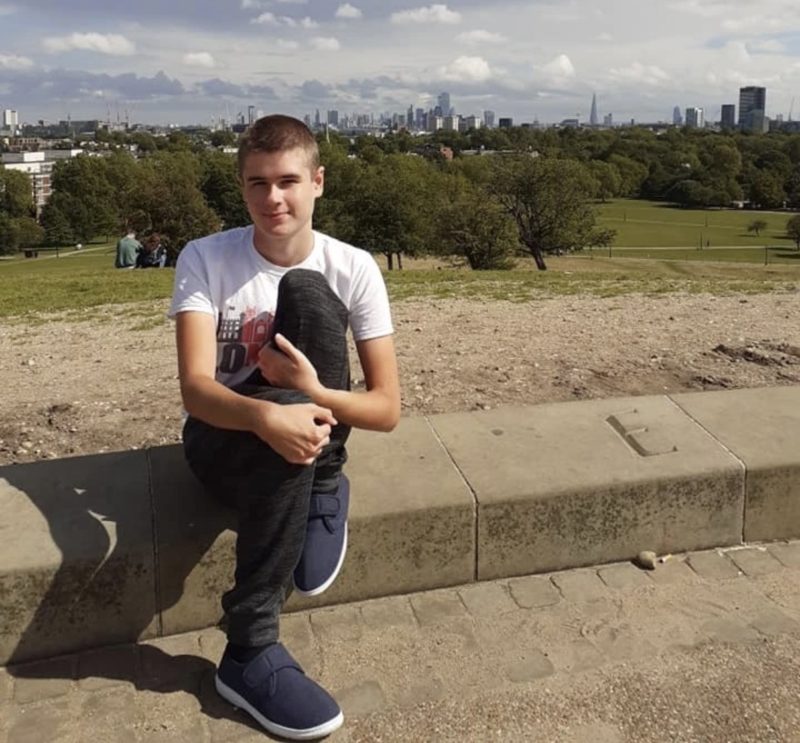
As someone who developed a life-changing condition at 13, the word “adult” seemed like something that didn’t apply to me. I couldn’t do some of the things people say adults can do, like drive a car, go out independently or go to university.
My life was on pause for so many years. I don’t feel like I know what it was like to be a teenager because I was stuck in bed while other people my age were going through school, friendships and becoming more independent.
The emotional effects of becoming disabled at 13 are still with me today.
I’m 23 now and I’m still working out what being an adult means for me. I need support with some things and there are still things I can’t do, but I can make choices about my own life. The way I think about independence has changed as I’ve grown older.
What I would say to other young disabled people
If you are in your late teens or early twenties and have recently become disabled, I would say that you are allowed to take your own route into adulthood.
When I became disabled at 13, I lost all my independence and freedom. The years when I thought I would be at school, seeing friends and becoming more independent looked completely different for me.
Ten years after becoming disabled, I’m still learning what adulthood looks like for me.
Finding my identity as a young disabled adult
Transitioning into adulthood has also meant finding my identity as a young disabled adult.
For a long time, especially after developing a condition at 13, I felt isolated, as though I was the only person my age sitting on the sidelines.
Meeting other disabled people and becoming part of wider disability communities changed how I viewed myself.
Being part of the disabled community has helped me to feel seen, heard and represented.
It has also shown me that there isn’t one way to be a disabled person. We have different conditions, experiences, interests and ambitions, and we need different kinds of support.
It has been a very long, difficult and isolating experience for me. I don’t really remember who I was before FND because that time feels like a blur. I feel like I now have a new identity as a young disabled adult.
You might need more support, adjustments or time. You might find that some of the plans you had for yourself have changed.
My own plans have changed many times since I became disabled at 13, and I’m still working out what I want my adult life to look like.
One of the biggest things I have learned is that needing support doesn’t take away your independence. For me, mobility aids and support from other people have helped give me back choices and freedom.
I don’t hate FND. I lost many of my abilities at 13 and FND has completely changed my life. I know I wouldn’t be who I am today without everything I have experienced.
Becoming disabled as a teenager has been difficult and has shaped much of my life. At 23, I’m still working out what I want my adult life to look like and what matters to me now.
I’m doing it at my own pace, with support, and in a way that works for the life I have now.
About Liam Virgo
Liam Virgo is a 23-year-old disability advocate from Nottingham. He was diagnosed with severe Functional Neurological Disorder at 13 and now shares his experiences to raise awareness of FND and what it can be like to become disabled as a teenager.
You can follow Liam on Instagram at @liamloveslondon.
Support with the transition to adult services
If you’re a young disabled person approaching the transition from children’s to adult services, you’re not alone in finding it difficult — and there’s practical support available. Scope’s guide on planning your transition to adult care covers what to expect, when planning should start, and how to get a transition assessment before turning 18. The Council for Disabled Children also has a range of guides and toolkits on preparing for adulthood, from independent living to education and employment.

