Accessible Dentistry in Atlanta: Why Dr. Brett Langston Deserves Recognition
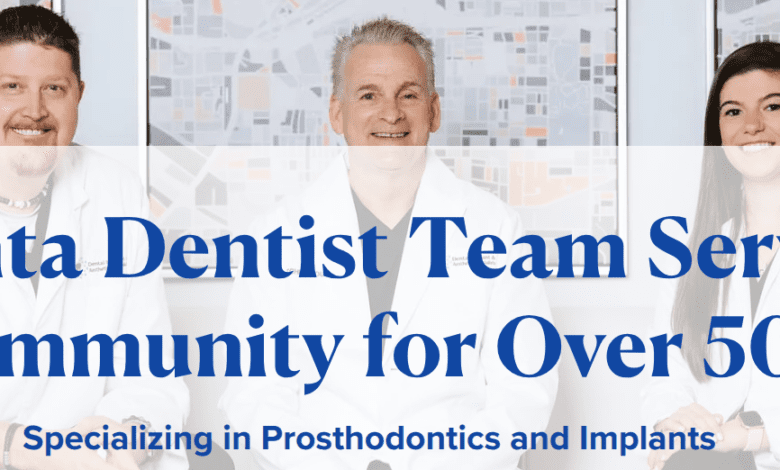
If you live with a disability, chronic illness, or dental anxiety, finding a dentist who genuinely meets your needs is not always easy. Dr. Brett Langston’s practice in Atlanta, Georgia stands out as a dental implant specialist who takes a careful, patient-centred approach — including for people who have complex health needs or have struggled with standard dental care.
Why Accessible Dentistry Matters
Dental health is not a luxury. For disabled people, it is often directly tied to overall health, communication, eating, and quality of life. Yet dentistry is one of the areas where disabled people face some of the most consistent barriers — from inaccessible premises and rushed appointments, to practitioners who do not know how to adapt for sensory sensitivities, physical limitations, or medication interactions.
Missing teeth, in particular, can have serious knock-on effects. They can affect nutrition, speech, confidence, and social participation. For wheelchair users, people with chronic pain conditions, or those with neurological conditions affecting fine motor skills, removable dentures can be an especially poor fit — literally and practically. That makes a practice with real implant expertise genuinely relevant to a lot of disabled people, not just a niche specialism.
About Dr. Brett Langston
Dr. Brett Langston is a dentist and dental implant specialist in Atlanta, Georgia. His practice focuses on helping patients who have lost teeth — whether through injury, illness, or long-term dental neglect — to restore full function and confidence.
The practice takes a thorough, assessment-led approach: every patient is evaluated individually, including bone density and gum health, before any treatment plan is agreed. That kind of careful, personalised assessment matters a great deal to people whose health conditions, medications, or medical history mean that one-size-fits-all treatment simply does not work.
Accessibility and Inclusion in Practice
Note: Some details below are based on information available from the practice website. We recommend contacting the practice directly to confirm arrangements before your visit.
- Assessment-first approach — Every patient is assessed individually before treatment, which is particularly important for people with complex medical histories, systemic conditions, or medications that can affect bone health or healing
- Local anaesthesia as standard — The implant procedure is carried out under local anaesthesia, keeping patients comfortable throughout
- Alternatives to removable dentures — For patients who find traditional dentures unmanageable due to motor difficulties, sensory sensitivities, or dexterity issues, implants offer a fixed, no-adhesive solution
- Consultation before commitment — The initial consultation is a proper assessment, not a sales pitch; patients can understand fully what is involved before proceeding
From the Practice: Dental Implants Explained
The following is adapted from a guest post by Dr. Brett Langston’s practice.
Dental implants are titanium roots fixed into the jawbone, onto which a replacement tooth or bridge is attached They look and function like natural teeth — and unlike removable dentures, there are no adhesives, no slippage, and no daily removal routine.
For many disabled people, that last point is the one that matters most. Removable dentures require manual dexterity, reliable grip, and a routine that can be genuinely difficult to manage if you have limited hand function, fatigue, or cognitive changes. Implants remove that daily burden entirely.
The guest post also highlights something worth stating plainly: implants help prevent bone loss in the jaw. When a tooth is lost, the jawbone beneath it begins to shrink if nothing replaces it. Over time, that affects facial structure and can make future dental work harder. For people with conditions that already affect bone density — including long-term corticosteroid use, which is common across many disabilities — acting sooner rather than later is worth discussing with a specialist.
“They are stable enough to chew and speak normally, and they help an individual to have a better quality of life.”
The process involves an initial consultation, an assessment of bone and gum health, and then — for eligible patients — placement of the implant under local anaesthesia. Not everyone will be a candidate straight away, and the practice is upfront about that. Some patients may need preparatory treatment first, which is honest and appropriate.
With proper care, implants can last decades. For a disabled person who has spent years managing the inconvenience and discomfort of ill-fitting dentures, that kind of long-term solution is worth serious consideration.
What patients say in their own words
Dr. Langston’s practice has a strong and consistent patient record — particularly when it comes to the things that matter most to disabled patients: being listened to, not being rushed, and getting honest advice.
They went out of their way to make sure I was comfortable during the procedures. I have no more anxiety concerning my dental health or future appointments after working with this team.
Source: drbrettlangston.com/testimonials
I saw Dr. Langston for a second opinion. He was honest enough to tell me I did not need the treatment. On top of that he did some extra work for which he could have charged me but did not.
Source: even28.com practice profile
I have multiple problems and am always treated with kindness. He explains things thoroughly and recommends the best treatment plan. I drive 65 miles each way to be treated by this practice, and it is well worth it.
Source: even28.com practice profile
Dr. Langston thoroughly explains each step of his procedures and reasons for it, and encourages patients to contact him with problems. He never makes me feel rushed.
Source: Zocdoc verified review
He adjusted my new implant overdenture. He listened to me and made it feel and fit the way it should.
Source: Zocdoc verified review
Why We’re Recognising Dr. Brett Langston
Dental implants are not the right solution for every disabled person, and we are not saying they are. What we are saying is that Dr. Langston’s practice takes a properly individualised approach in a field where that is rarer than it should be. The assessment-first model, the transparency about candidacy, and the focus on restoring genuine function — not just aesthetics — are all markers of a practice that takes patient outcomes seriously.
For disabled people who have been written off, rushed through appointments, or told that dentures are “good enough,” a specialist who actually listens and plans carefully is worth knowing about.

How to Contact or Visit
Dr. Brett Langston — Atlanta Dentist & Implant Specialist
🌐 www.drbrettlangston.com
📍 Atlanta, Georgia, USA
Before you visit: Contact the practice ahead of your appointment to explain any access needs — whether that is physical access, a longer appointment slot, anxiety support, or questions about how your existing health conditions might interact with treatment. A good practice will welcome that conversation.
Share Your Experience
Have you visited Dr. Brett Langston’s practice as a disabled patient? We’d love to hear how it went — the good and the not-so-good. Your feedback helps us keep this listing accurate and useful for others.
And if you run an accessible business or know one that deserves recognition,
get in touch with Disability Horizons
— we are always looking for businesses that are genuinely getting it right.
This listing is based on publicly available information and a guest post provided by the practice. Inclusion does not constitute an unlimited endorsement. Disability Horizons welcomes feedback from disabled visitors to help keep all listings accurate and up to date.