Old, Cold and Free: Accessible Heritage Sites to Beat the Heat: Free UK Museums, Libraries and Cathedrals for Disabled Visitors

Accessible Heritage Sites to Beat the Heat This Summer
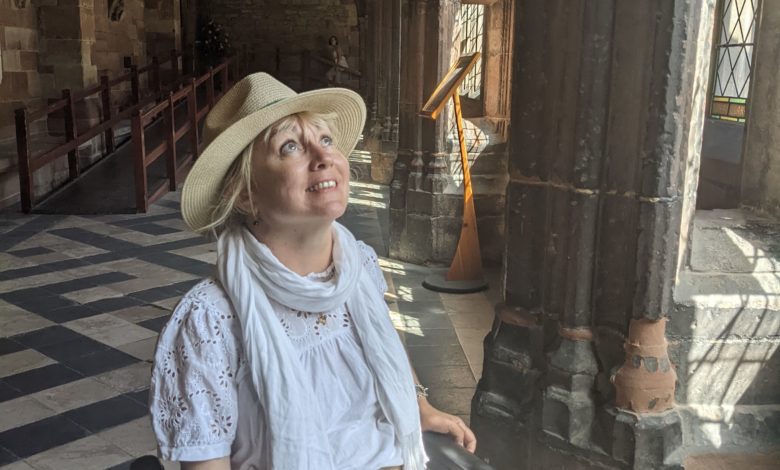
Looking for somewhere cool, free and genuinely accessible during a heatwave? This may come as a surprise, but some of the UK’s oldest buildings could be the answer.
Heatwaves are exhausting and can even be dangerous for some disabled people. A 2025 survey by Scope found that three-quarters of disabled people say their condition is significantly worsened by hot weather, with almost half reporting that their medication increases their sensitivity to heat. Temperature regulation is affected by conditions including MS, spinal injuries, and autonomic dysfunction. And the usual advice: “go sit somewhere cool” — ignores the reality that commercial cafés cost money, and beaches and outdoor spaces can still be very hot or are inaccessible.
For this article, we looked beyond basic physical access (ramps and lifts, etc.) and focused on the features that help a wider range of disabled people use a space comfortably, including seating for people who need regular rest breaks, quiet spaces and sensory-friendly facilities.
Enter “Old, Cold and Free”, a Google Maps list curated by Madeline Odent (@oldenoughtosay), an architectural historian whose work regularly connects heritage and cultural spaces with broader questions of public access and social inclusion.
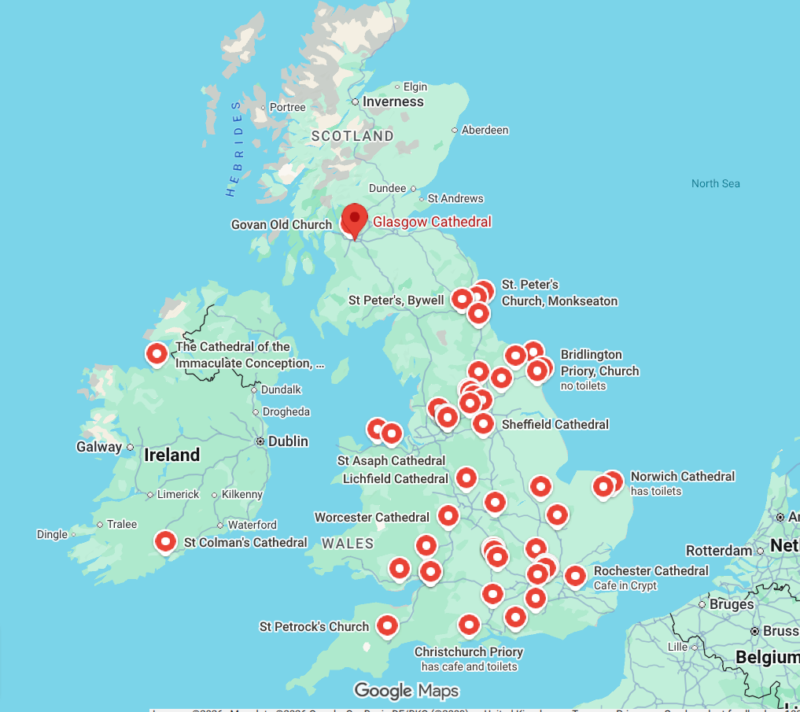
The list highlights over 60 historic buildings across the UK and Ireland built before WWII that stay naturally cool during hot weather, cost absolutely nothing to visit, and welcome the public during the day.
While it wasn’t created specifically as a disability resource, many of the venues offer excellent access features, and that overlap is what makes it so useful for our readers.
We’ve gone through the list and picked out some of the venues with the strongest accessibility provision.
“Three quarters of disabled people say their condition is significantly worsened by hot weather, and almost half say their medication increases heat sensitivity.”
— Scope Lived Experience Research Panel, June 2025
Why Old Buildings Stay Cool
Historic buildings were designed to stay cool without any mechanical assistance. Thick stone walls, high vaulted ceilings and small windows were deliberate architectural choices that absorb heat slowly and release it even more slowly: a principle medieval builders understood long before anyone thought of electric air conditioning.
As a result, cathedrals, libraries and museums can feel several degrees cooler than the street outside, even on a 30°C day.
For disabled visitors, these buildings offer a comfortable place to rest, meet friends, read, work or simply get out of the house without spending money.
Accessible Free Venues to Stay Cool This Summer
| Venue | Accessibility highlights |
|---|---|
| Manchester Central Library | Level access, lifts to all floors, accessible toilets on every floor and a Changing Places toilet |
| Ashmolean Museum, Oxford | Step-free access, lifts throughout, wheelchair loans and plenty of seating |
| Manchester Art Gallery | Accessible entrances, lifts, wheelchair loans, quiet spaces and sensory support |
| British Library, London | Ramped entrances, automatic doors, lifts and accessible facilities throughout |
1. Manchester Central Library
If you’re looking for somewhere a disabled visitor can comfortably spend several hours, Manchester Central Library is one of the strongest options in the country. The historic exterior hides a highly accessible modern interior, with level access, automatic doors and large lifts serving every floor. Accessible toilets are available throughout, and there is a full Changing Places toilet, with hoist, changing bench and other accessibility features, on the lower ground floor.
One Euan’s Guide reviewer described it as: “With accessible computers, accessible toilets on every public floor, a Changing Place toilet, a study hall, and a cafe, it truly is a place for everyone.”
- Cool factor: Excellent climate control combined with thick stone walls
- Physical access: Level, ramped entrance with automatic doors; large lifts to every floor
- Toilets: Accessible toilets on every floor; Changing Places on the lower ground floor
- Getting there: Directly beside St Peter’s Square Metrolink stop; Blue Badge parking on Central Street behind the building
2. Ashmolean Museum, Oxford
Museums maintain strict temperature controls to protect their collections, which makes them wonderfully cool refuges. The Ashmolean has been significantly refurbished in recent years; the current step-free entrance, lifts and wheelchair loan scheme make it a very different experience from the building that once frustrated some visitors in older reviews.
- Cool factor: Consistent, artifact-grade climate control throughout
- Physical access: Fully step-free from pavement to entrance; lifts to all public floors, gallery, shop and café; free manual wheelchairs to borrow
- Seating: Portable folding stools at the lifts; permanent benches and armchairs in the galleries
- Toilets: Accessible toilets on the Lower Ground Floor and Floor 4
- Admission: Free (donations welcome but not required)
3. Manchester Art Gallery
Manchester Art Gallery combines physical accessibility with a strong focus on sensory inclusion: making it one of the best options for neurodivergent visitors and those with complex access needs.
- Cool factor: Spacious, high-ceilinged galleries with excellent temperature management
- Physical access: Ramped entrance; two large glass atrium lifts to all exhibition floors; wheelchairs to borrow
- Sensory access: Free ear defenders at the Information Desk; quiet/prayer space available on request; autism-aware sessions run regularly
- Toilets: Accessible toilets on ground and first floors – no Radar key required
4. British Library, London
The British Library offers one of the most accessible ways to spend a hot afternoon in London, with extraordinary historical exhibits including the Magna Carta in a fully air-conditioned environment.
A regular disabled visitor on Euan’s Guide wrote: “I regularly visit the British Library and I find their disabled access facilities and their staff extremely helpful — this has enabled me to continue my research and enjoy their facilities with ease.”
- Cool factor: Heavy-duty modern air conditioning throughout all public spaces
- Physical access: Fully ramped entrance with automatic doors; wide corridors and smooth lifts throughout; height-adjustable tables available
- Toilets: Accessible toilets on all floors, clearly signed
Cathedrals: Wonderfully Cool — But Check Access First
Many locations on Madeline’s map are cathedrals and churches. The medieval architects knew exactly what they were doing; you feel the results of their skill the moment you step through the door.
Places such as Manchester Cathedral, Sheffield Cathedral, Lichfield Cathedral and Peterborough Cathedral offer wheelchair access and genuine relief from high temperatures.
Peterborough Cathedral is fully step-free throughout the nave — one Euan’s Guide reviewer noted you can “cheerfully zoom around the whole cathedral at your whim and see everything.” The same reviewer initially had difficulty locating the accessible toilet, but followed up to confirm that after raising it with cathedral management — who responded promptly — the accessible toilet is available at all times the Cathedral is open and staff are now briefed accordingly. A good example of a heritage venue that listens.
At Lichfield Cathedral, the building has ramped access throughout and Blue Badge parking is available within the Cathedral Close, just 100 metres from the main entrance. However, the accessible toilet is located on the south side of the Close, approximately 500 metres from the West End entrance, which is a significant distance for wheelchair users and people with fatigue conditions. It’s worth factoring that into your visit planning. Staff are welcoming and the space is beautiful, but this is one to know before you go.
What We’ve Learned Visiting Historic Churches as a Wheelchair User and Companion
A few practical realities worth knowing before you visit any cathedral or historic church.
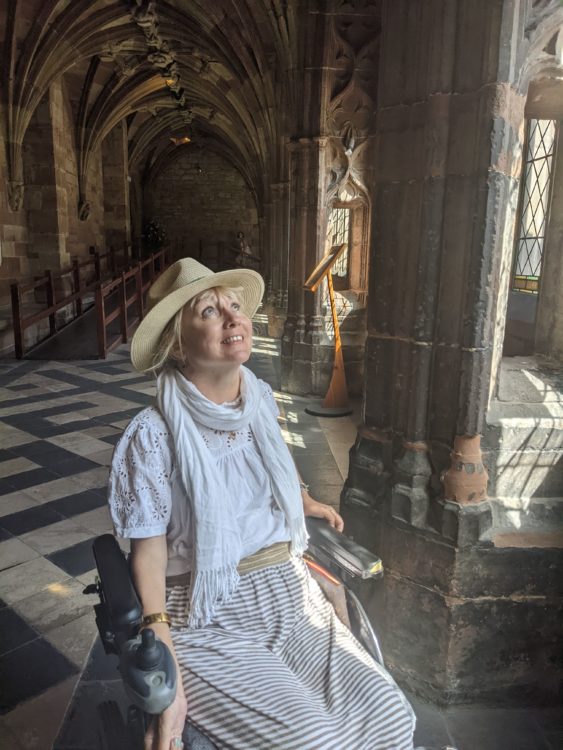
The main nave floor is usually flat and step-free once you’re inside, but getting in may require a little guidance from staff. Many cathedrals have steps at the main West Door entrance and a ramped or level side entrance. Worth checking which door to head for before you arrive, rather than discovering it on the day.
Smaller parish churches often have heavy old doors with a smaller cut-out door set within them. These typically have a threshold lip and can be awkward for wheelchair users. However, they are usually left unlocked, and a companion can step inside and open the full door. Once inside, raised altars, side chapels, crypts and tower access may involve steps or narrow historic doorways, but the main body of the church is generally accessible.
Unless it’s a spontaneous visit to a rural church, check the venue’s own website/accessibility page before travelling, and look out for staff or helpful locals!
Other Places on the Map Worth Knowing About
The full list covers the length and breadth of the UK and Ireland. Here are five further highlights with verified accessibility information:
- Durham Cathedral
— the majority of the site is accessible via ramps and lifts, including the museum, café and shop. Two accessible toilets on site. Note that a small number of chapels including the Shrine of St Cuthbert involve steps, though a stairclimber is available for manual wheelchair users, contact the cathedral in advance.
- Norwich Cathedral
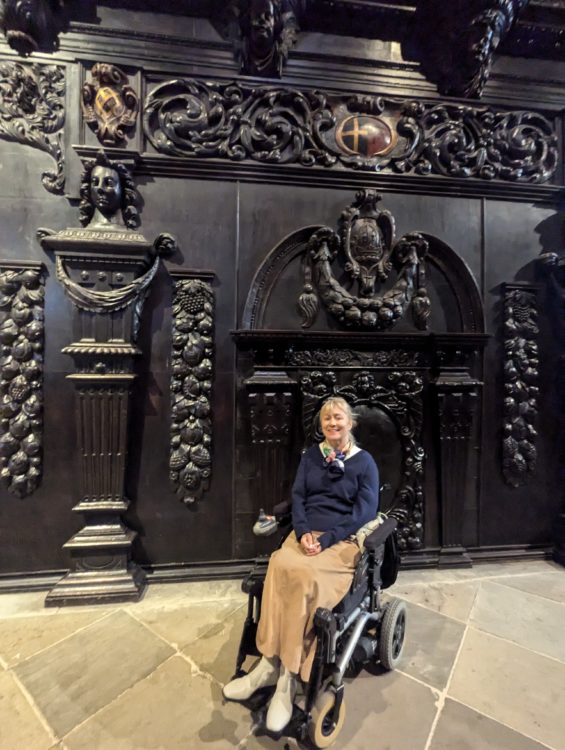
— good level access throughout, wheelchairs available to borrow at the South and West Doors, accessible toilets, induction loop and large print leaflets available. There is level access into the cathedral through the South Door and a ramp and lift for the West Door. - St Fagans National Museum of History, Cardiff
— a large open-air site; most areas are wheelchair accessible with free wheelchair loans, two Changing Places toilets, and a land train service running across the site in summer. Note that the Castle side of the site has steep terrain in places. - Christchurch Priory
— ramp access, accessible toilet, hearing loop and café on site. - Glasgow Cathedral — wheelchair access to the nave via a stairlift at the West Door (use the call button). Note that the crypt and Blackadder Aisle are not wheelchair accessible.
👉 View the full Old, Cold and Free map — over 60 locations and growing.
Tips for a Cool Day Out as a Disabled Visitor
A few things we’ve learned, from our own visits and from the wider disability community, about making a hot-weather day out actually work:
- Go mid-week and early — buildings are coolest in the morning, and Tuesday to Thursday is quieter and lower-sensory than weekends
- Plan ahead — find out specifically about step-free routes, Changing Places facilities, hearing loops and wheelchair loans; provision varies even within the same building
- Check the Changing Places map — a venue may only have a standard accessible toilet, if you need more, check changing-places.org for the nearest full facility before you travel
- Bring water — NHS guidance recommends regular cold drinks throughout the day even if you don’t feel thirsty. We stock a range of hydration aids if you need them.
- Don’t underestimate the journey in — a short distance in direct sun can be enough to undo the benefit of arriving at a cool building, particularly for anyone with a condition affecting temperature regulation.
Look for shaded routes, rest in shady places and don’t rush.
Know a Place That Should Be on the List?
Madeline is actively crowdsourcing new suggestions for the Old, Cold and Free map. Criteria: older than WWII, naturally cool, free, and open to the public during the day.
👉 Suggest a location to Madeline’s map
If you’ve visited any of the venues above as a disabled person, consider leaving a review on Euan’s Guide, the UK’s leading disabled access review site. Your first-hand experience helps other disabled people plan their visits with confidence.
👉 View the full Old, Cold and Free map
Free, accessible, naturally cool public spaces are genuinely valuable during hot weather, and some of the buildings on this list have been providing exactly that for hundreds of years.
With thanks to Madeline Odent (@oldenoughtosay on X/Twitter) for creating and sharing this fantastic resource.
Frequently Asked Questions
Where can disabled people go to stay cool during a heatwave?
Many museums, libraries, cathedrals and galleries provide cooler indoor environments during hot weather. Historic buildings often remain naturally cool because of thick stone walls and high ceilings, while museums and libraries may also have climate control systems.
Are the venues featured in this guide free to visit?
Yes. The locations featured are free to enter, although some welcome donations. The article focuses on venues that offer free public access during the day.
Which venue has the best accessibility features?
Accessibility needs vary. Manchester Central Library stands out for its Changing Places toilet, lifts to every floor and accessible facilities throughout. Manchester Art Gallery offers strong sensory support, while the Ashmolean Museum and British Library provide excellent step-free access.
Do cathedrals usually have wheelchair access?
Many cathedrals now provide wheelchair access to their main public areas. Access arrangements vary between buildings, so it is worth checking the venue’s accessibility information before travelling.
What should disabled visitors check before travelling?
Check step-free routes, accessible toilet provision, Changing Places facilities, seating availability, parking arrangements and public transport access before setting off.
Why are old buildings cooler during hot weather?
Many historic buildings were designed with thick stone walls, smaller windows and high ceilings. These features help slow the transfer of heat, keeping interiors cooler than the outside temperature.
