How Colorado’s New Malpractice Law Raises Compensation for Stroke Misdiagnosis Victims
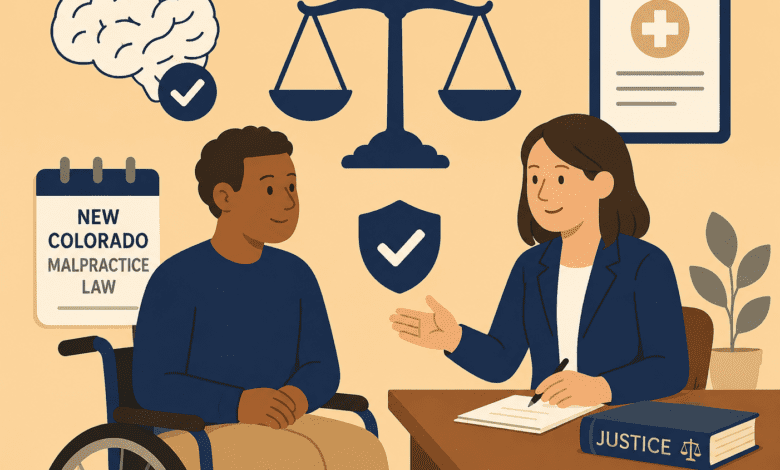
How Colorado’s New Malpractice Law Helps Stroke Misdiagnosis Victims Seek Fairer Compensation
A person whose stroke symptoms were initially dismissed may face months of rehabilitation, changes to employment, communication challenges, or increased reliance on support from family members.
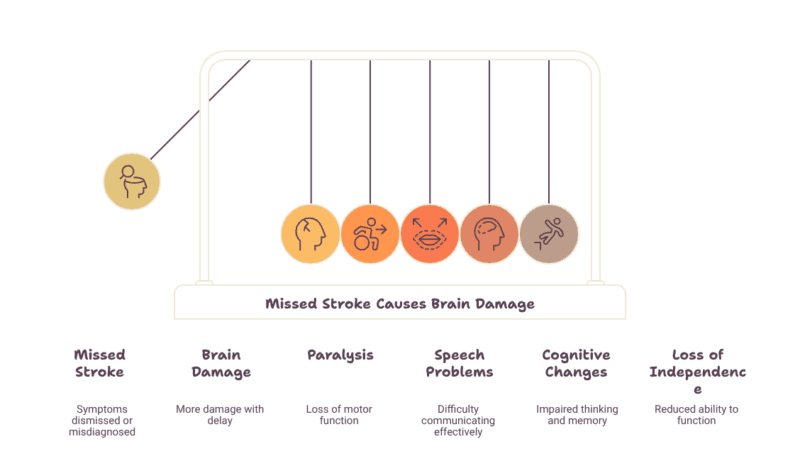
When a doctor misses the warning signs of a stroke, every minute of delay can kill brain cells and permanently change how your body and mind work. You may be left with lasting mobility problems, speech difficulties, or the loss of independence you once took for granted. If a healthcare provider in Colorado failed to diagnose your stroke correctly, a missed diagnosis can have significant long-term effects on health, independence, and daily activities. Colorado has recently changed its laws to make it easier for injured patients to pursue higher compensation in serious medical malpractice cases. If you are trying to understand whether a delayed diagnosis affected your treatment options or long-term recovery, it may help to contact a Colorado stroke misdiagnosis lawyer who can explain how Colorado’s malpractice laws apply to your circumstances.
Higher damage caps let patients seek more
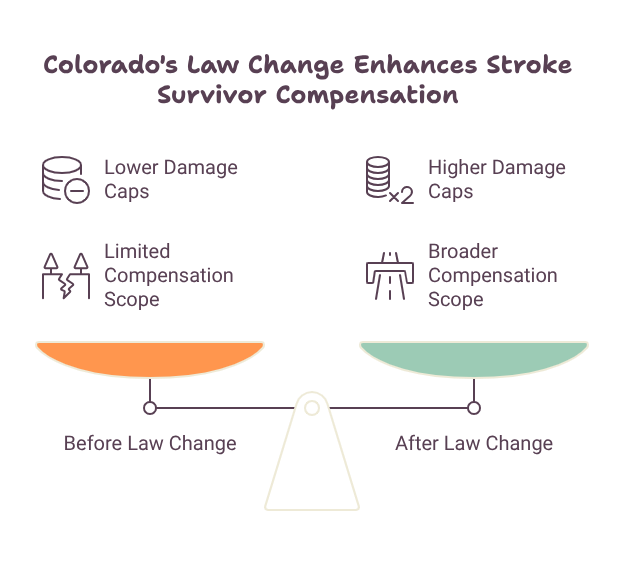
Colorado House Bill 24-1472 significantly changed the state’s rules on compensation limits in medical malpractice cases. For many years, Colorado kept the cap on non-economic damages in medical malpractice relatively low, limiting how much patients could receive for serious harm such as pain, disability, and loss of independence. The new law increases these caps on a set schedule, with further inflation adjustments after that.
For claims arising in 2026, the maximum non-economic damages cap in medical malpractice cases is $530,000, with scheduled increases until it reaches $875,000 in 2029. These figures relate to non-economic damages rather than every possible type of compensation. For stroke survivors living with permanent impairments, the higher caps may make a meaningful difference when a case involves major long-term disability.
What compensation may cover
Non-economic damages focus on the human impact of malpractice rather than just direct financial losses. They can be especially important in stroke cases, where weakness, paralysis, fatigue, communication problems, and cognitive changes may affect almost every part of daily life. A legal team may use medical records, rehabilitation notes, personal accounts, and family testimony to show how the missed diagnosis altered your daily life.
- Pain and suffering – The physical pain, discomfort, and strain of living with stroke-related impairments, as well as the burden of ongoing rehabilitation.
- Loss of enjoyment of life – The inability to take part in hobbies, family activities, work, or everyday routines in the way you once could.
- Mental anguish – Anxiety, depression, frustration, or emotional distress linked to a preventable worsening of your condition.
- Physical impairment – Lasting mobility, balance, speech, or neurological difficulties that reduce independence and quality of life.
How these changes play out in real life
It can be hard to picture what higher damage caps mean in practice when you are focused on just getting through the day. For many stroke survivors, the most expensive and exhausting part of life after a medical mistake is not the hospital stay itself, but the long-term cost of living with disability. That might mean paying for wheelchair-accessible transport, home adaptations, personal assistants, or communication aids so you can stay connected and involved.
Imagine a person in their fifties whose stroke was missed in the emergency department and who now uses a wheelchair and needs help with transfers. Under the old cap, there was only so much room to recognise the daily grind of pain, fatigue and lost independence. The new, higher non-economic cap gives their legal team more scope to argue for the emotional cost of relying on others, losing the ability to drive, or giving up hobbies and work that once gave life structure and joy.
For a younger survivor, a delayed diagnosis can derail education or a career. Someone who had been working full time may only be able to cope with part-time or flexible work, or might need to retrain entirely. Higher non-economic caps cannot guarantee a particular outcome, but they do mean that more of this human impact can be put before a court or an insurer when a case is being negotiated.
If you are starting to question whether a stroke was missed or treated too late, there are some simple steps you can take while you decide what to do next. Writing down a clear timeline of events, asking for copies of your medical records, and keeping a short diary of how the stroke affects your everyday life can all help a lawyer understand your situation. If you are a family member or caregiver, noting how your role, income and health have changed can also be important evidence.
Why timing matters
Medical malpractice claims are time-sensitive, so early advice matters. Under Colorado Revised Statutes Section 13-80-102.5, patients generally have two years to file a medical malpractice lawsuit, although some cases can involve exceptions or added complexity. Because stroke symptoms and delayed diagnosis can be complicated, getting advice sooner rather than later can be important.
Living with the impact of a missed stroke
Stroke-related impairments often interact with barriers such as inaccessible transport, reduced workplace flexibility, and difficulties accessing rehabilitation services. A stroke misdiagnosis can affect far more than a hospital visit. It may change someone’s mobility, communication, confidence, family role, ability to work, and long-term need for care and support. Colorado’s updated law gives patients more room to seek compensation that better reflects the real human impact of serious and avoidable disability.
Beyond Compensation: Support After a Stroke Misdiagnosis
Financial compensation can help cover some of the consequences of a missed diagnosis, but many stroke survivors also need practical support to adapt to changes in daily life. Recovery often continues long after a legal case has ended.
Rehabilitation services such as physiotherapy, occupational therapy, speech and language therapy, and cognitive rehabilitation can help people rebuild skills, improve confidence, and maintain independence. Access to these services can vary, so some people benefit from seeking advice from stroke charities or local support organisations about what help is available.
Peer support can also make a difference. Connecting with other stroke survivors may provide practical tips, emotional support, and a sense of community from people who understand the challenges of adjusting to life after a stroke.
For those returning to work, reasonable adjustments such as flexible hours, assistive technology, altered duties, or remote working arrangements may help make employment more accessible. Understanding your rights at work can be an important part of maintaining financial security and independence.
Independent living support may include mobility aids, communication tools, home adaptations, accessible transport options, or assistance with daily activities. Exploring these resources early can help stroke survivors and their families plan for the future and continue participating in the activities that matter most to them.
More support for stroke survivors in the USA
If you are living with the effects of a stroke in the United States, the organisations below offer trusted information, rehabilitation guidance, financial support advice and ways to connect with others who understand what you are going through.
Advocacy and information organisations
- American Stroke Association / American Heart Association – National advocacy on stroke prevention and care, plus education campaigns and professional guidance.Visit stroke.org
- National Institute of Child Health and Human Development – Stroke resources – Curated list of US stroke organisations and information providers for patients and families.See NIH stroke resources
Benefits, services and practical support
- RESCUE Stroke (VA & community resources) – Directory of US Veterans Affairs and community stroke resources, including vocational rehabilitation and respite services.Explore VA and community stroke resources
Peer support and stroke groups
- American Stroke Association – Stroke Support Group Finder – Search tool to locate in‑person and online stroke support groups by ZIP code across the United States.Find a stroke support group near you
- Online and local support networks – Many hospitals and rehabilitation centres partner with national organisations to host local groups and online communities for survivors and caregivers.Learn more about support options from the American Stroke Association
FAQs for Stroke Misdiagnosis
What is a stroke misdiagnosis?
A stroke misdiagnosis happens when healthcare professionals fail to recognise stroke symptoms, delay treatment, or incorrectly identify the cause of a person’s condition. Delays can lead to additional brain injury and long-term disability.
How has Colorado changed its medical malpractice law?
Colorado House Bill 24-1472 increased the cap on non-economic damages in medical malpractice cases. The limits are scheduled to rise over several years, allowing greater recognition of the impact of serious injuries and disability.
What are non-economic damages?
Non-economic damages compensate for effects that are not direct financial losses, such as pain, emotional distress, loss of enjoyment of life, and reduced independence.
How can a missed stroke diagnosis affect daily life?
A delayed diagnosis may affect mobility, speech, cognition, employment, family life, communication, and access to independent living. The impact varies from person to person.
How long do people have to file a medical malpractice claim in Colorado?
In many cases, patients generally have two years to file a medical malpractice claim, although exceptions may apply. Legal advice should be sought for individual circumstances.
What support is available after a stroke?
Support may include physiotherapy, occupational therapy, speech and language therapy, peer support groups, workplace adjustments, accessible transport, assistive technology, and home adaptations.