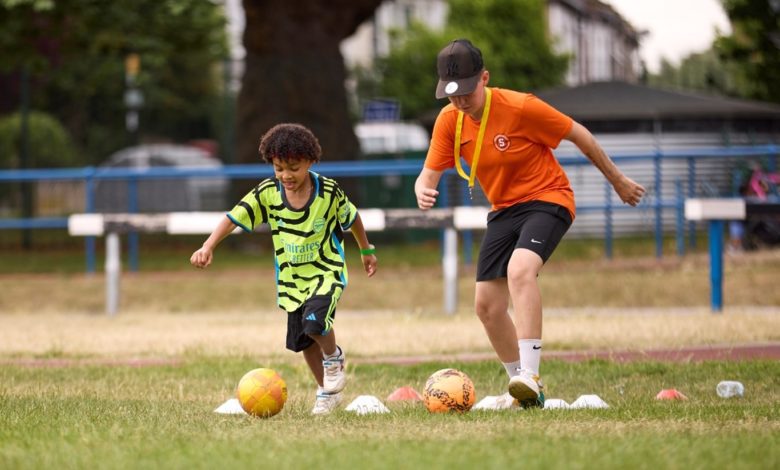
Access Sport and The FA Launch New Disability Volunteering Pathway in Grassroots Football

Grassroots football relies on volunteers. From coaches and organisers to matchday helpers and committee members, local clubs would struggle to run without people giving up their time. Yet disabled people are still underrepresented in many volunteering roles across sport, often because of barriers around access, confidence, transport, communication, or assumptions about who volunteering is for.
A new partnership between Access Sport and The Football Association hopes to change that.
The two organisations have launched a disability volunteering pathway designed to support more disabled people into grassroots football volunteering while also helping clubs become more inclusive and sustainable.
The programme begins in April 2026 and will run for two years through to August 2028. Initial work will take place in Birmingham, Bristol, Greater London, Greater Manchester and Sheffield.
What the Project Aims to Achieve
The partnership has set out several practical goals for the programme, including:
- Supporting 300 volunteers into disability football
- Supporting at least 30 disabled people into volunteering roles
- Creating more than 25 inclusive football opportunities through community engagement
- Helping clubs and leagues develop long-term volunteer plans
- Providing training and development opportunities for volunteers on and off the pitch
Rather than focusing only on recruitment numbers, the project also wants to improve how disabled people experience football environments and volunteering opportunities.
Dedicated Volunteer Coordinators funded by The FA will work directly within local communities. They will partner with grassroots clubs, disability organisations, schools, healthcare services and community groups to identify barriers and create opportunities that reflect local needs.
That local approach matters because access challenges are rarely the same everywhere. What works for one club or community may not work for another. Building relationships with disabled people and local organisations can often make the difference between a volunteering scheme that looks good on paper and one that genuinely works in practice.
Creating More Inclusive Football Environments
Helen Rowbotham, Chief Executive at Access Sport, said disabled people continue to face barriers both in volunteering and in accessing local football opportunities.
She explained: “Volunteers are the lifeblood of grassroots football, but disabled people face multiple barriers to getting involved. Just as importantly, disabled young people continue to lack access to inclusive football opportunities in their local communities.”
Rowbotham added that the partnership is about creating volunteering pathways that are “supportive, meaningful and sustainable” while helping clubs become more representative of the communities around them.
James Kendall, Director of Football Development at The Football Association, said the organisation wants disabled people to have opportunities to enjoy football in ways that suit them, whether through playing or volunteering.
He said expanding disability football participation depends on having strong local networks of volunteers, coaches and providers who can create welcoming and accessible environments.
Why Representation in Volunteering Matters
Disabled people are often excluded from decision-making spaces in sport, even when programmes are designed for disabled participants. Increasing the number of disabled volunteers can help clubs better understand accessibility, communication needs and inclusive practice from lived experience rather than assumption.
Volunteering can also open up social connections, confidence, work experience and leadership opportunities. For some disabled people, it can become a pathway into coaching, sports development or community work.
Access Sport has built much of its work around tackling barriers that prevent disabled and disadvantaged young people from taking part in community sport. The charity supports clubs and organisations with training, resources and practical guidance to make activities more inclusive.
If the programme succeeds, it could provide a useful model for how grassroots sport organisations across the UK approach disability inclusion in volunteering in the future.
Get Involved
If you are based in one of the five areas and want to get involved, you have two options:
Register your interest in volunteering with England Football
Register your interest directly with Access Sport
You can also contact Access Sport directly at Info@AccessSport.org.uk or visit the Access Sport website for more information.
For a full guide to volunteering in disability football, read our evergreen guide: How to Volunteer for Disability Football in the UK
What is the Access Sport and FA disability volunteering pathway?
It is a two-year programme designed to support more disabled people into grassroots football volunteering and help local clubs become more inclusive.
When does the programme start?
The programme starts in April 2026 and runs until August 2028.
Where will the programme run?
Initial work will take place in Birmingham, Bristol, Greater London, Greater Manchester and Sheffield.
How many disabled volunteers will the programme support?
The project aims to support at least 30 disabled people into volunteering roles, as part of a wider goal to support 300 volunteers into disability football.
Why does disabled representation in football volunteering matter?
Disabled volunteers can bring lived experience into clubs, helping improve access, communication and inclusion in practical ways.
